



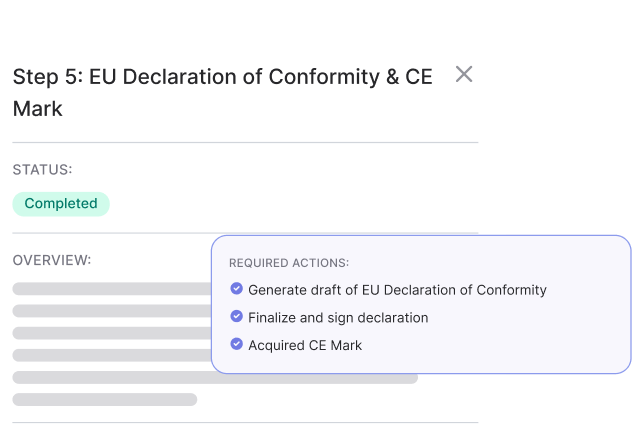
Requirements Workflow & Conformity Management

Manage required conformity steps for high-risk AI systems with a single, visual workflow that keeps teams coordinated from assignment to approval. CompliAI’s requirements module turns complex regulatory checklists into easy-to-follow tasks. 

Core Purpose

Centralized Workflow for AI Conformity Assessment and Readiness

This module centralizes every regulatory step required to prepare AI systems for placement on the market, converting legal obligations into clear, assignable tasks. 

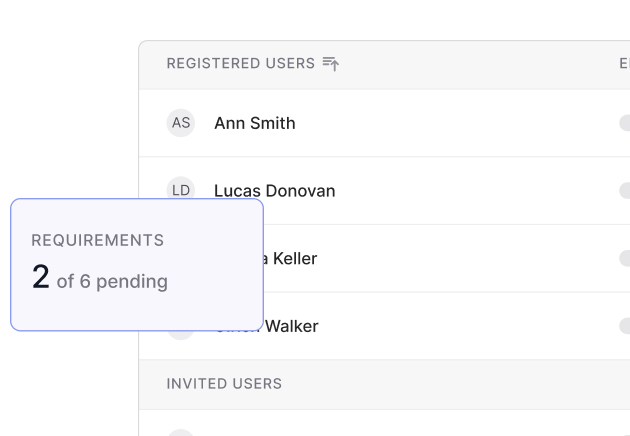
Teams can plan conformity routes, track progress through required procedures, and keep responsibilities and deadlines visible to stakeholders. 

Key Capabilities

Core Features of the Requirements Workflow that Benefit Organizations

Designed specifically for regulatory process management, these capabilities map legal EU AI Act conformity requirements to operational tasks and show progress toward conformity. 

Stay Audit-Ready

How This Module Maps to EU AI Act Requirements

Our module aligns operational workflows with legal conformity pathways, so organizations can follow a defensible process to market placement.

CompliAI supports selection and execution of the appropriate route for each system, based on risk and intended use.

  • Map system type to available conformity routes.
  • Sequence required procedural steps per chosen route.
  • Record route decisions and rationale for audit traceability.

Required actions for high-risk systems are presented as enforceable tasks with owners and deadlines.

  • Pre-deployment controls and verification tasks.
  • Designated technical and managerial responsibilities.
  • Evidence checkpoints before progression.

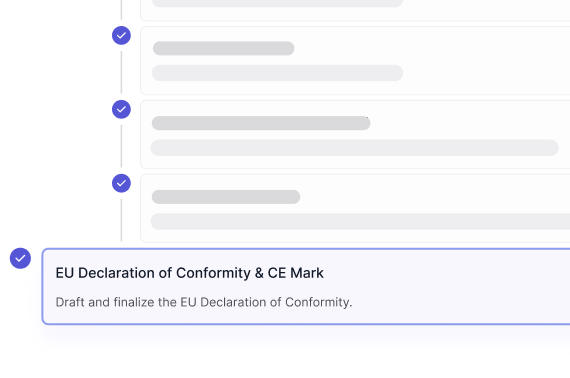
Final readiness steps for CE marking are organized into a repeatable workflow.

  • Internal sign-off sequences and authority mapping.
  • Pre-submission completeness and gap checks.
  • Packaging of procedural evidence and process logs for notified bodies.

How It Works

A Task-Driven AI Compliance Workflow from Identification to Approval

The CompliAI workflow turns legal requirements into operational checklists and facilitates the progression of tasks with ownership and verification. 

Step 1: Identify Requirements

Map the system’s intended use and risk profile, then select the required conformity route and task set.

Step 2: Assign Responsibilities

Allocate owners, deadlines, and required roles for each task so nothing remains unclaimed.

Step 3: Complete Required Actions

Execute the assigned tasks (testing, verification, and process steps) while recording outcome...

Step 4: Review and Validate

Run configured readiness checks and reviews to confirm every checkpoint meets the criteria ...

Step 5: Finalize Conformity

Perform final approvals, lock the workflow state, and output the conformity...

Use Cases

How Conformity Workflows Look in Practice

A medtech company runs the module to coordinate clinical validation, product safety checks, and management sign-offs before market placement. Final approval is prevented until all gates are satisfied.


A fintech firm uses the tracker to align product, legal, and security teams on a single timeline, ensuring that verification tasks and policy reviews are completed in parallel. The centralized view reduces coordination overhead and keeps executives informed.

A manufacturing client runs a pre-audit workflow to confirm required process steps and approvals are in place before a notified-body assessment, minimizing surprises and rework during external reviews.

A health-services provider manages conformity obligations for diagnostic models by assigning domain-specific checks, capturing verification outcomes, and ensuring operational controls are validated before deployment.

Connected Tools

Integrate Workflows with Your Compliance and Project Systems

Our workflow module integrates with your compliance, project, and repository tools for seamless assignment and tracking across teams.

Project & Task Management

Identity & Access / Approvals

Dev & Issue Tracking

Trusted by Enterprises

Why Teams Rely on the Requirements Workflow & Conformity Management Module

Reduce manual coordination and increase predictability across conformity pathways with CompliAI

Clear visibility into conformity progress

Real-time dashboards show task status and bottlenecks so stakeholders always know where a system stands in the conformity lifecycle.

Automated compliance workflows

Automations move tasks forward and trigger notifications, reducing manual follow-ups and human error.

Customer stories icon

Structured readiness for CE marking

Predefined CE workflows and gates drive repeatable preparation, making final AI conformity assessment faster and more reliable.

Resources icon

Reduced manual coordination and errors

Assigned owners, SLAs, and enforced checkpoints cut back on ad-hoc communication and missed obligations.

Get Started

Automate Your Conformity Workflow Now

Turn conformity steps into a repeatable, auditable workflow with CompliAI. Let us help you speed up your approvals and minimize risk. 

Insights and Expert Analysis

CompliAI Knowledge Base

Keep apprised of current developments pertaining to the EU AI Act, frameworks for compliance, and the most effective approaches to the responsible governance of artificial intelligence.

Artificial intelligence is already having a major impact on manufacturing operations around the world. From quality control to forecasting and product design, manufacturers are using AI systems to change the way their factories work.

Artificial intelligence is already having a major impact on manufacturing operations around the world. From quality control to forecasting and product design, manufacturers are using AI systems to change the way their factories work.

These days, when a new vehicle rolls off the line at any major European car manufacturer, chances are that an AI system was involved in the production process. Machine learning is quickly revolutionizing the way products are made across industries as manufacturers utilize the benefits of artificial intelligence to perform tasks faster and more accurately than any human could.

Find the Best Solution to Your Business

Subtitle Style That Goes Here

These days, when a new vehicle rolls off the line at any major European car manufacturer, chances are that an AI system was involved in the production process. Machine learning is quickly revolutionizing the way products are made across industries as manufacturers utilize the benefits of artificial intelligence to perform tasks faster and more accurately than any h uman could.

Carousel image
Image description 1

Artificial intelligence is already having a major impact on manufacturing operations around the world. From quality control to forecasting and product design, manufacturers are using AI systems to change the way their factories work.

These days, when a new vehicle rolls off the line at any major European car manufacturer, chances are that an AI system was involved in the production process. Machine learning is quickly revolutionizing the way products are made across industries as manufacturers utilize the benefits of artificial intelligence to perform tasks faster and more accurately than any human could.

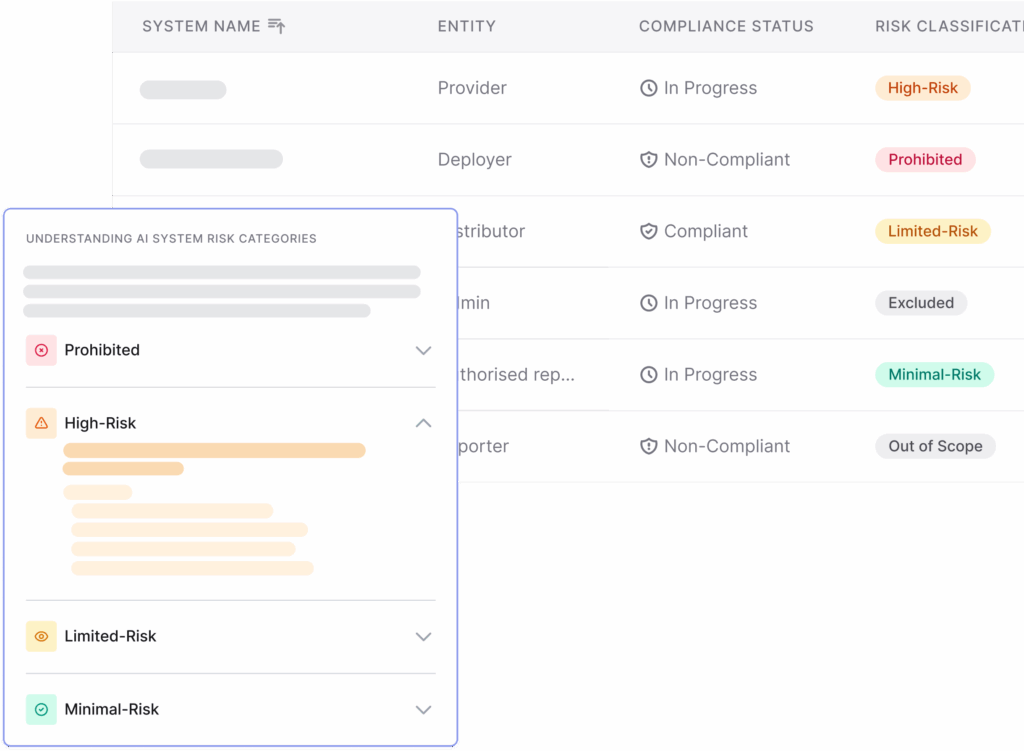
Accurate System Classification background

Accurate System Classification

Each AI system is automatically evaluated and categorized according to EU AI Act risk levels.

Subtitle Style That Goes Here

Artificial intelligence is already having a major impact on manufacturing operations around the world. From quality control to forecasting and product design, manufacturers are using AI systems to change the way their factories work.

  • Every successful brand is built on strong foundations
  • 91% of consumers are more likely to do business with recognizable brands
  • Memorable visuals and core values that speak to the target audience
  • Successful brand is built on strong foundations

Successful brand is built on strong foundations that support its mission. 91% of consumer do business with recognizable and me

Artificial intelligence is already having a major impact on manufacturing operations around the world. From quality control to forecasting and product design, manufacturers are using AI systems to change the way their factories work.

Find the Best Solution to Your Business

News Post test

Lorem Ipsum is simply dummy text of the printing and typesetting industry.

Subtitle Style That Goes Here

Artificial intelligence is already having a major impact on manufacturing operations around the world. From quality control to forecasting and product design, manufacturers are using AI systems to change the way their factories work.

Subtitle Style That Goes Here

Artificial intelligence is already having a major impact on manufacturing operations around the world. From quality control to forecasting and product design, manufacturers are using AI systems to change the way their factories work.

  • Every successful brand is built on strong foundations
  • 91% of consumers are more likely to do business with recognizable brands
  • Memorable visuals and core values that speak to the target audience
  • Successful brand is built on strong foundations

Client Testimonial

“The difference with AI is the scale of automatization that you can achieve, which leads to increased efficiency for the entire factory.”

Mark J. Roberts – CEO

Case Studies Post test

Artificial intelligence is already having a major impact on manufacturing operations around the world.

Subtitle Style That Goes Here

Artificial intelligence is already having a major impact on manufacturing operations around the world. From quality control to forecasting and product design, manufacturers are using AI systems to change the way their factories work.

Subtitle Style That Goes Here

Artificial intelligence is already having a major impact on manufacturing operations around the world. From quality control to forecasting and product design, manufacturers are using AI systems to change the way their factories work.

  • Every successful brand is built on strong foundations
  • 91% of consumers are more likely to do business with recognizable brands
  • Memorable visuals and core values that speak to the target audience
  • Successful brand is built on strong foundations

Client Testimonial

“The difference with AI is the scale of automatization that you can achieve, which leads to increased efficiency for the entire factory.”

Mark J. Roberts – CEO

Audit & Document Findings icon

Step 5: Approve & Update the System

Apply approved changes, update baselines, and reset the monitoring loop.
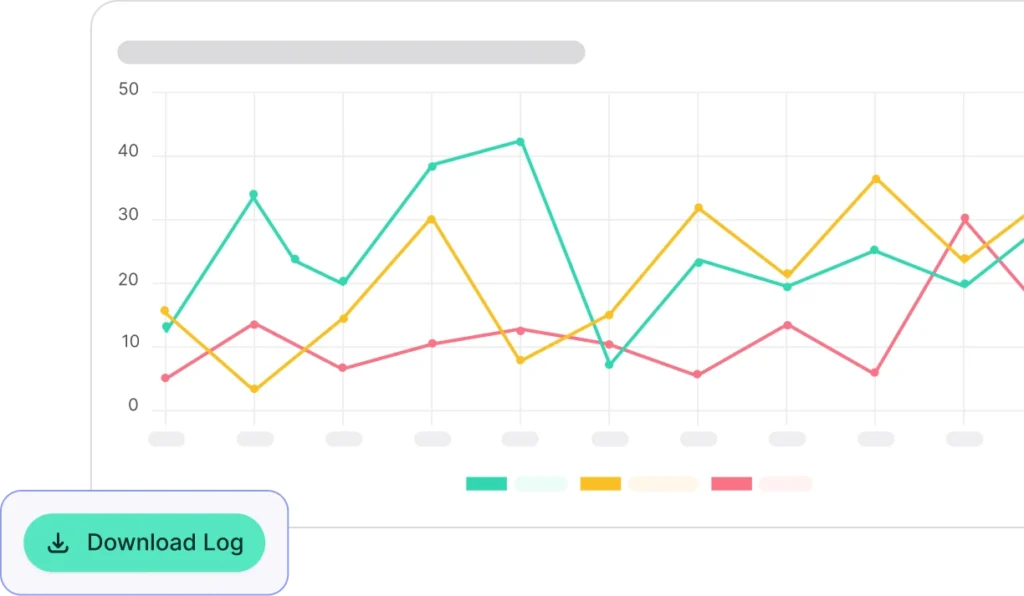
feature 4 - step 5
Audit & Document Findings icon

Step 4: Audit & Document Findings

AI audit software captures an immutable entry with evidence, context, and reviewer notes for compliance.
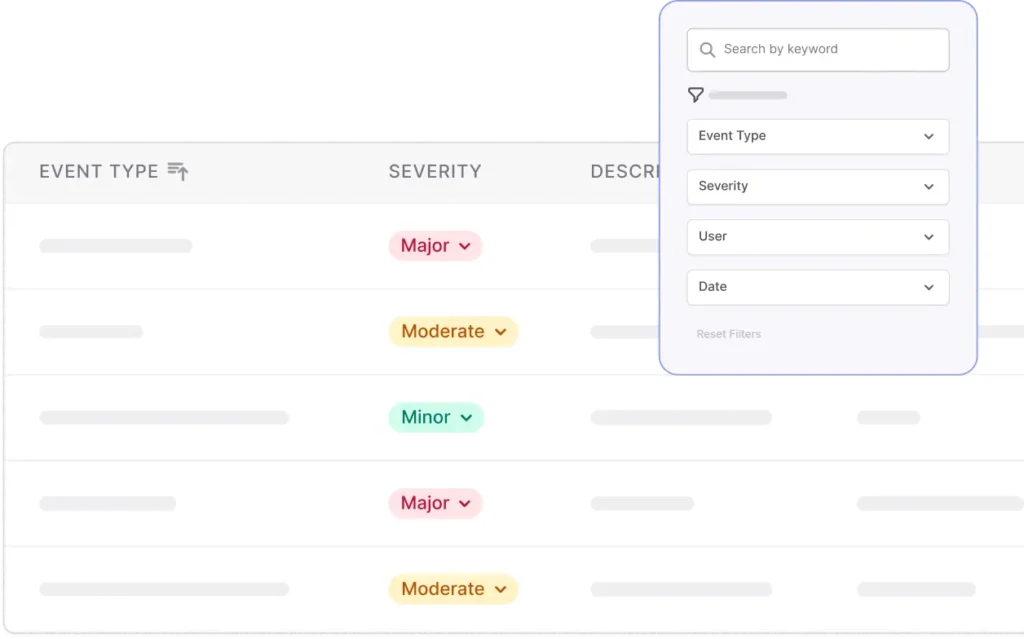
feature 4 - step 4
Assess Impact icon

Step 3: Assess Impact

Evaluate flagged issues to determine severity, scope, and whether regulatory reporting or remediation is required.
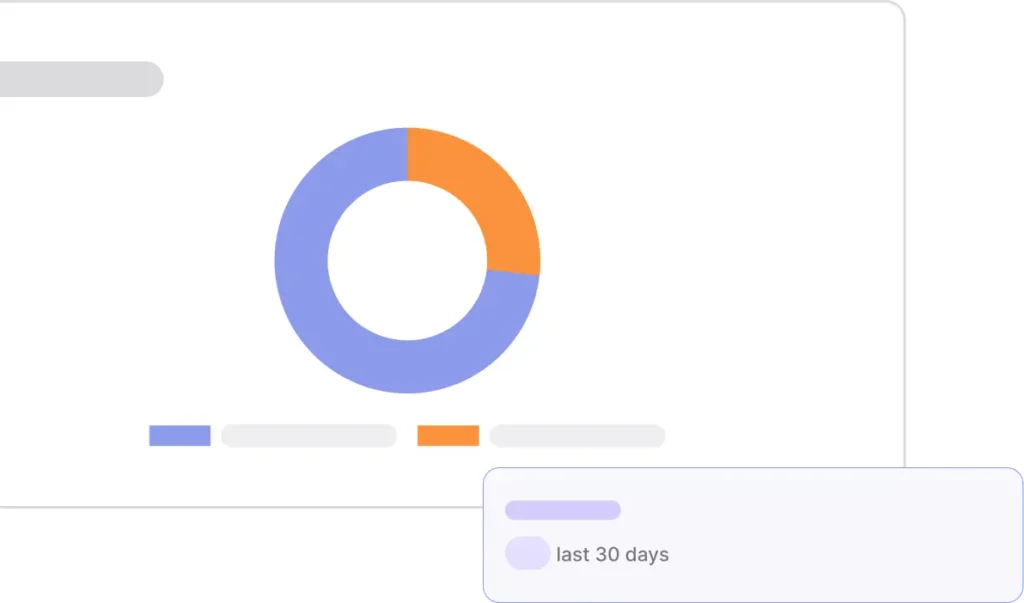
feature 4 - step 3
exclamation mark icon

Step 2: Flag Anomalies

Detect deviations and trigger prioritized alerts when thresholds or drift detectors are breached.
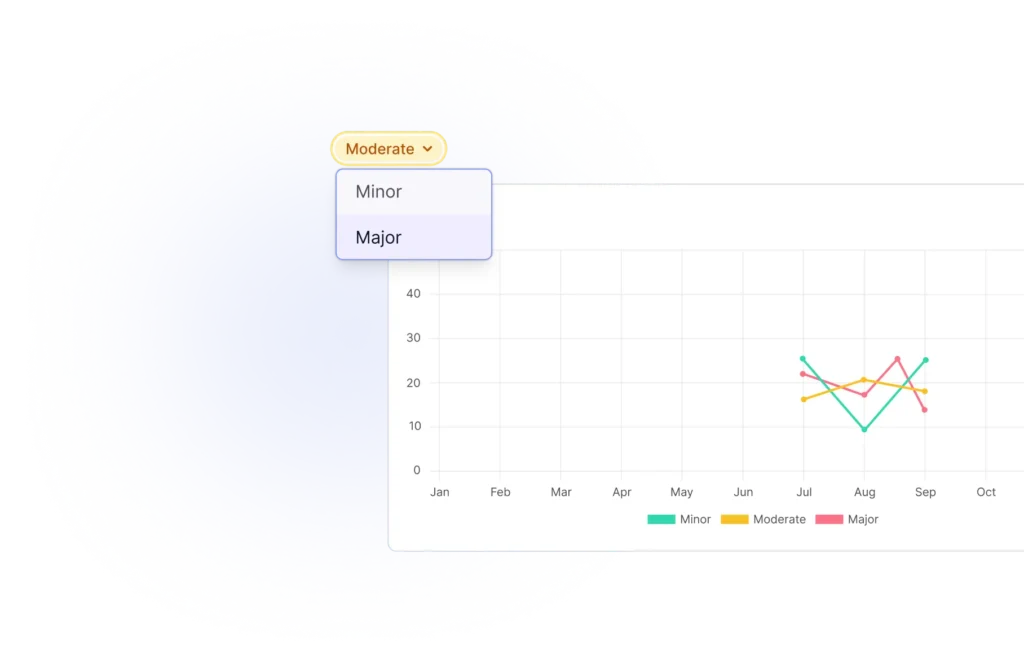
Continuous Monitoring icon

Step 1: Monitor System Signals

Collect telemetry, performance metrics, and logs continuously from deployed models and pipelines.
Finalize Conformity icon

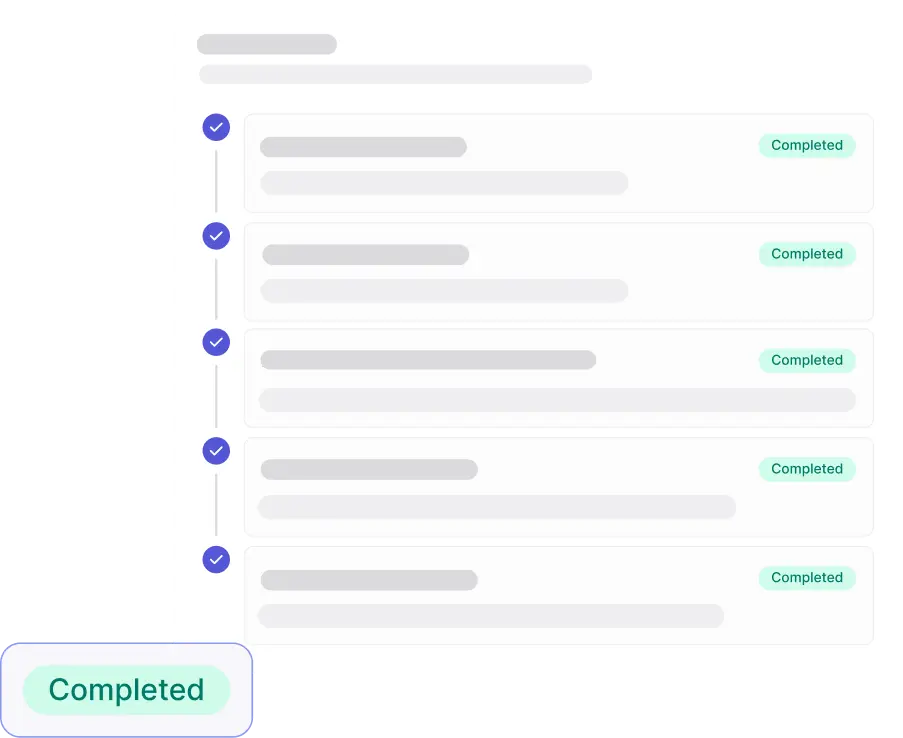
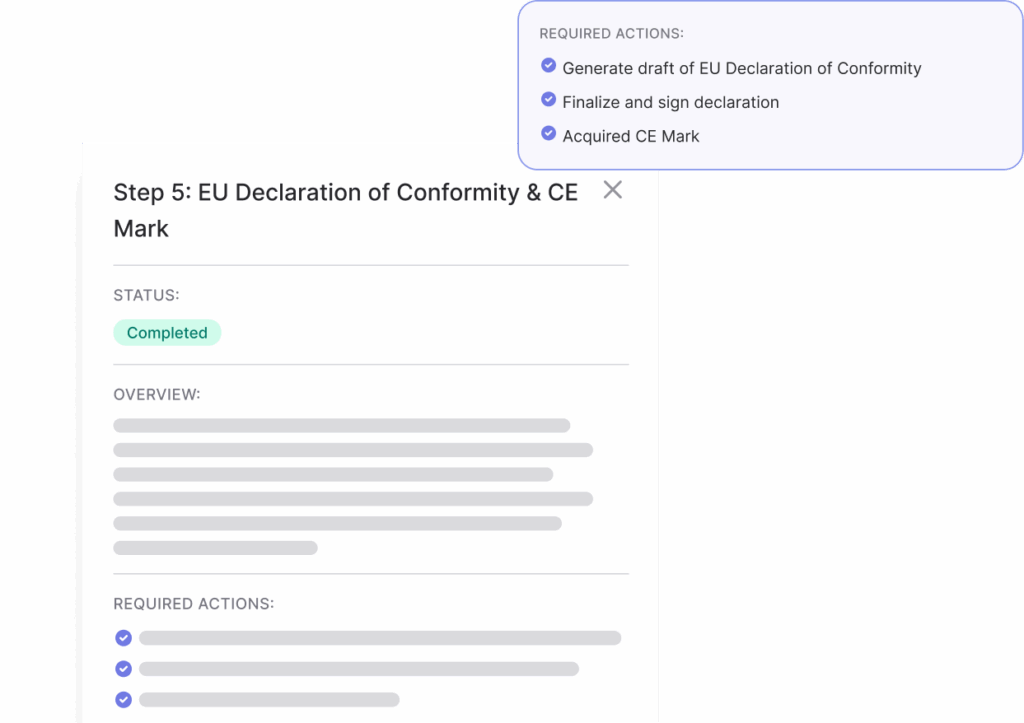
Step 5: Finalize Conformity

Perform final approvals, lock the workflow state, and output the conformity decision trail for internal records or notified-body review.
feature 3 - step 5
star icon

Step 4: Review and Validate

Run configured readiness checks and reviews to confirm every checkpoint meets the criteria before advancing.
check icon

Step 3: Complete Required Actions

Execute the assigned tasks (testing, verification, and process steps) while recording outcome metadata and timestamps.
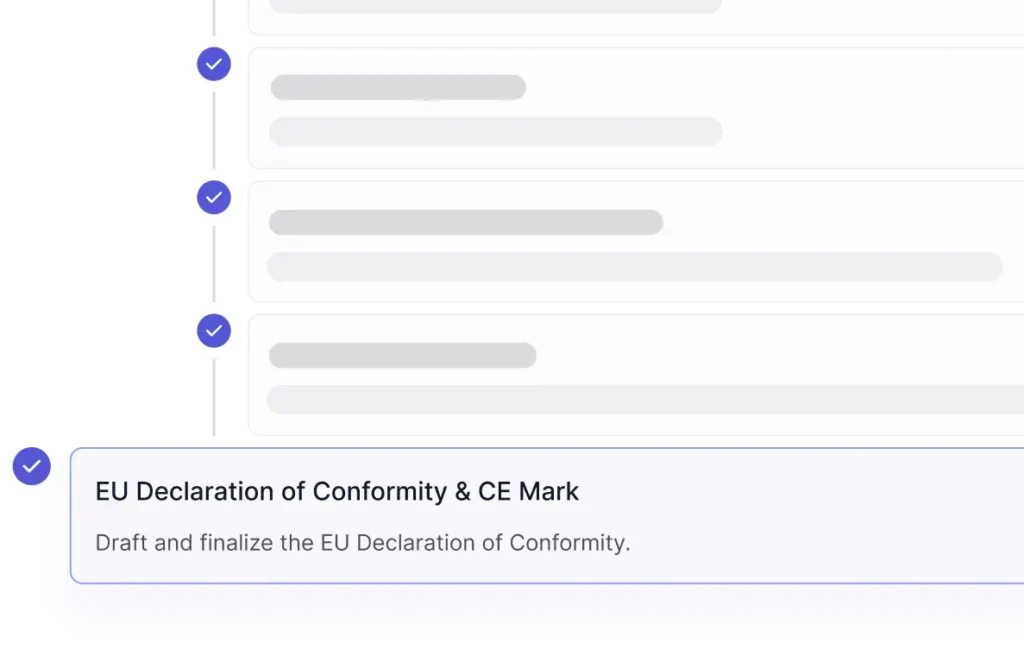
feature 3 - step 3 with eclipse
Assign Responsibilities icon

Step 2: Assign Responsibilities

Allocate owners, deadlines, and required roles for each task so nothing remains unclaimed.

feature 3 - step 2 with eclipse
inputs icon

Step 1: Identify Requirements

Map the system’s intended use and risk profile, then select the required conformity route and task set.
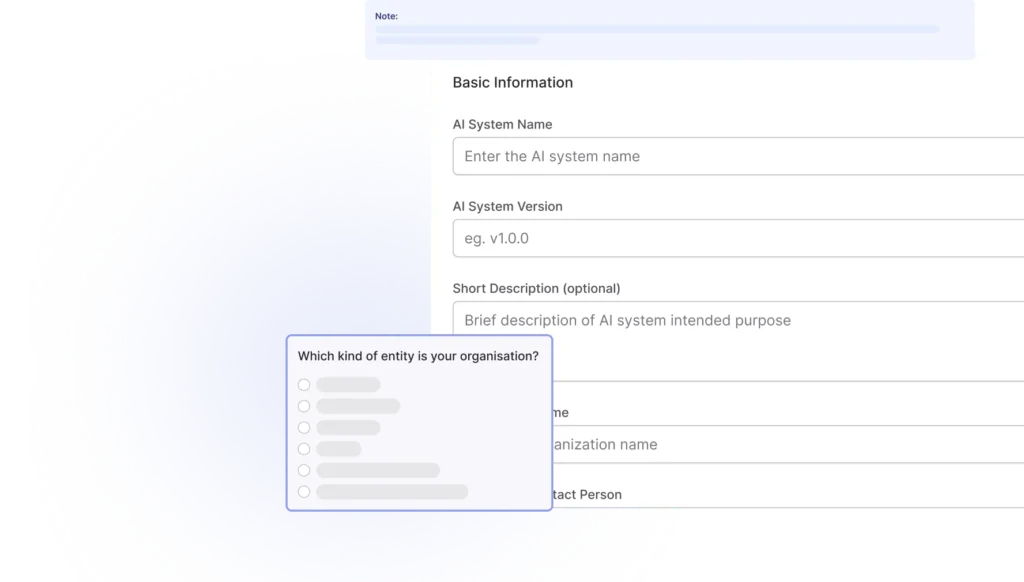
feature 3 - step 1 with eclipse
export icon

Step 4: Export Audit-Ready Files

Produce a finalized technical file that is compliant, version-controlled, and ready for internal review or submission.
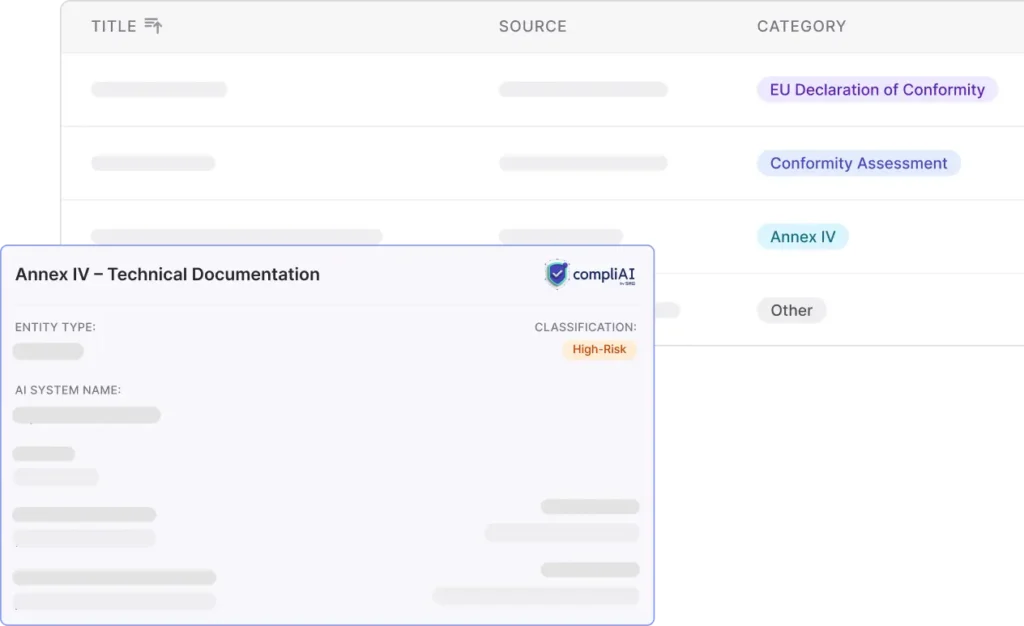
feature 2 - step 4
check icon

Step 3: Validate Technical File

Perform completeness checks and ensure each section aligns with AI Act documentation requirements before finalizing.
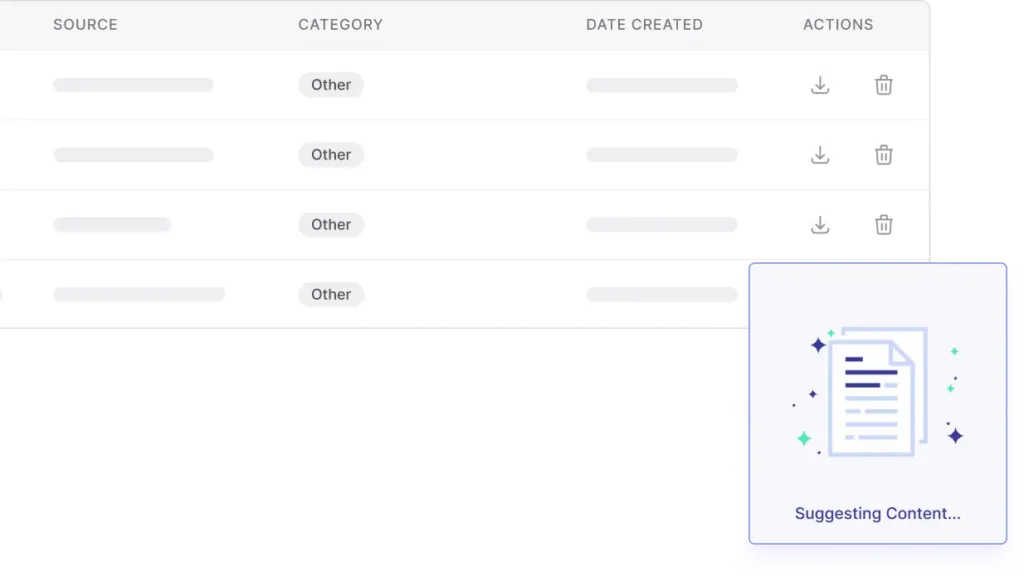
Centralized Governance icon

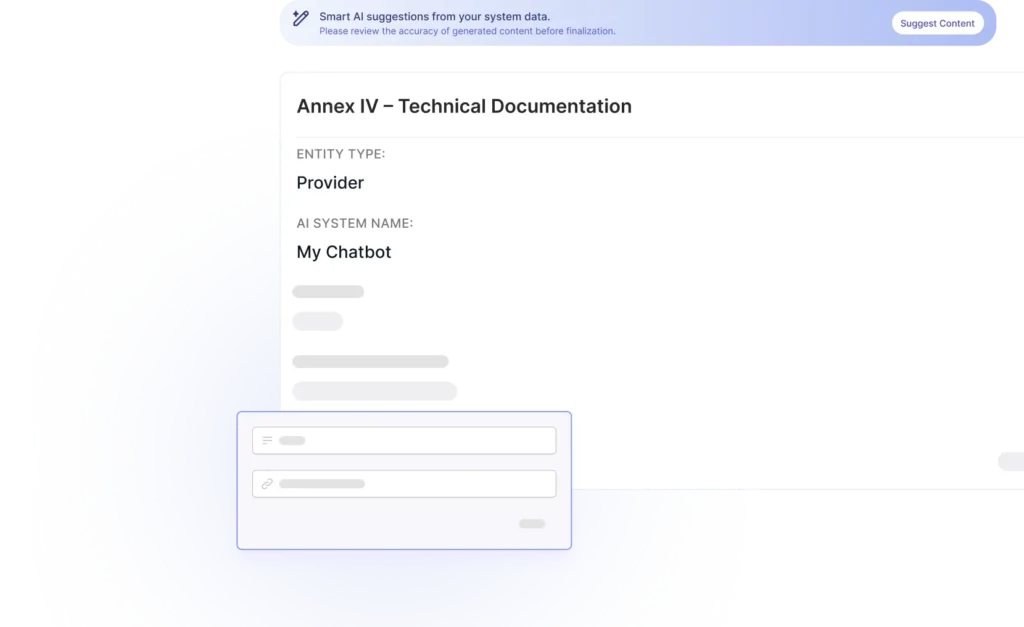
Step 2: Link Evidence for Traceability

Associate datasets, test results, and design files with their relevant sections to maintain a clear, auditable record.
feature 2 - step 2 with eclipse
inputs icon

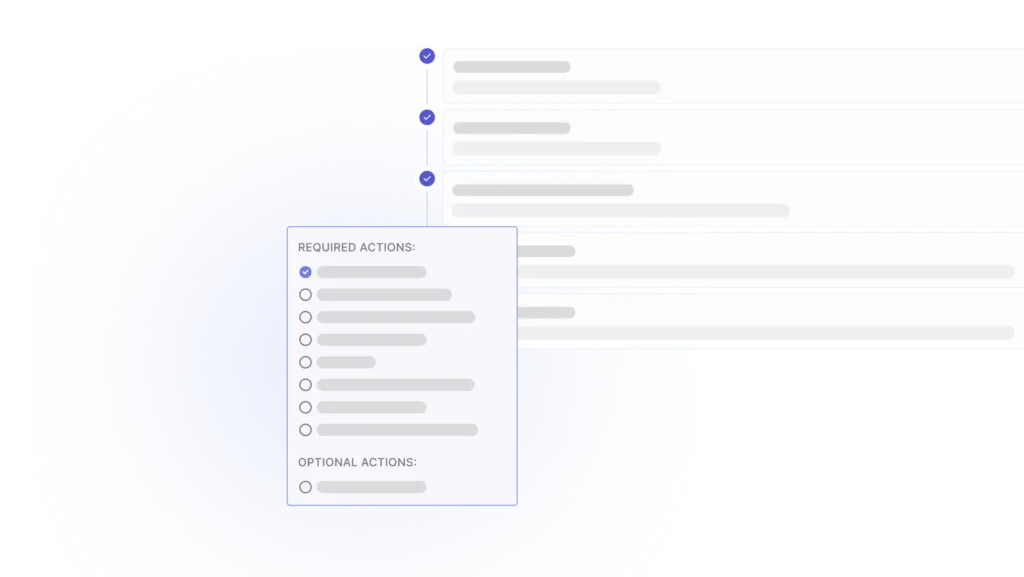
Step 1: Gather Documentation Inputs

Collect all necessary system information, design artifacts, and supporting evidence to prepare for Annex IV technical documentation.
feature 2 - step 1 with eclipse
home icon 3

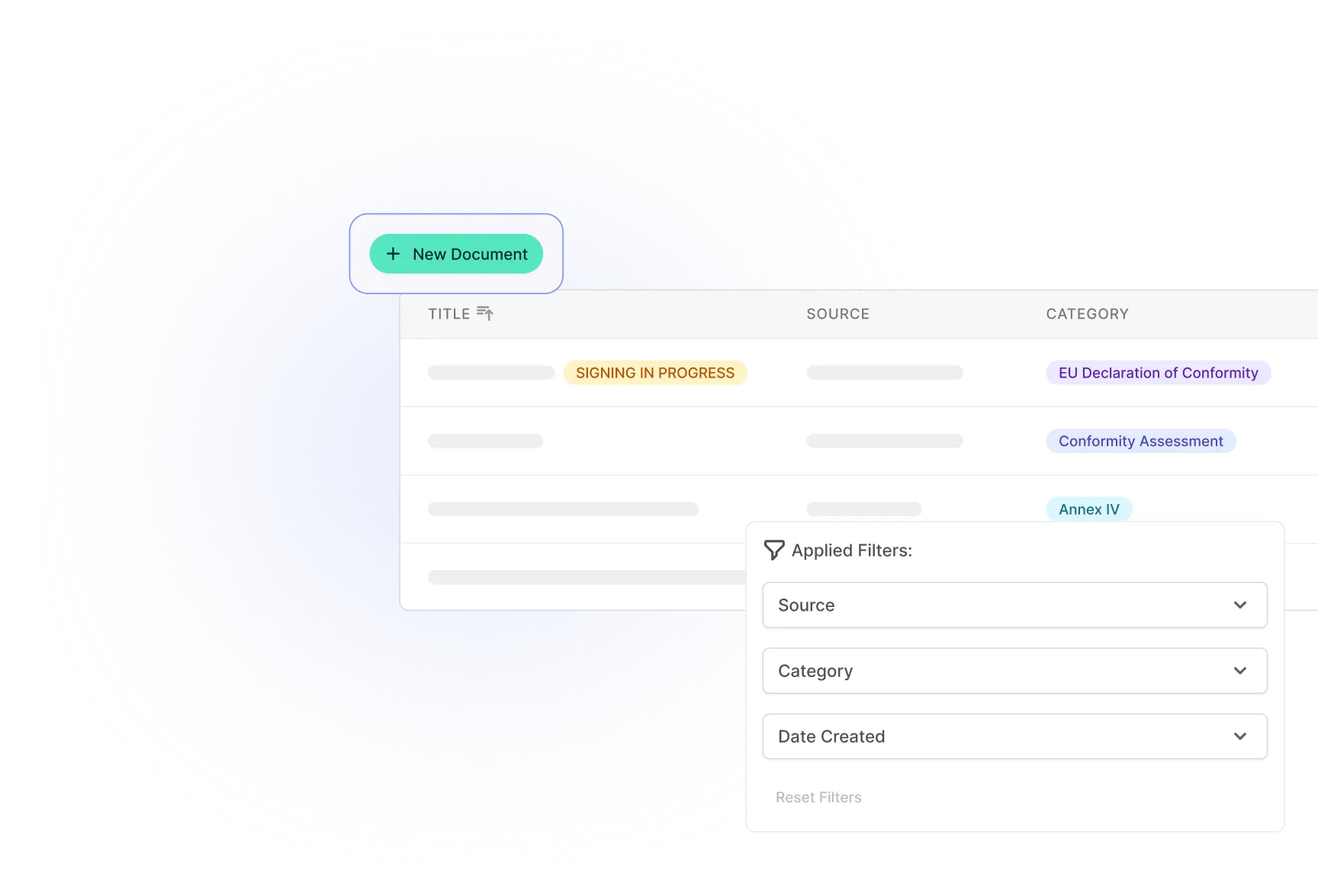
Step 4: Ongoing Monitoring & Updates

Continuously update classifications and inventory entries as models evolve or new AI systems are introduced, ensuring enterprise-wide visibility.
feature 1 - step 4 with eclipse
Customer stories icon

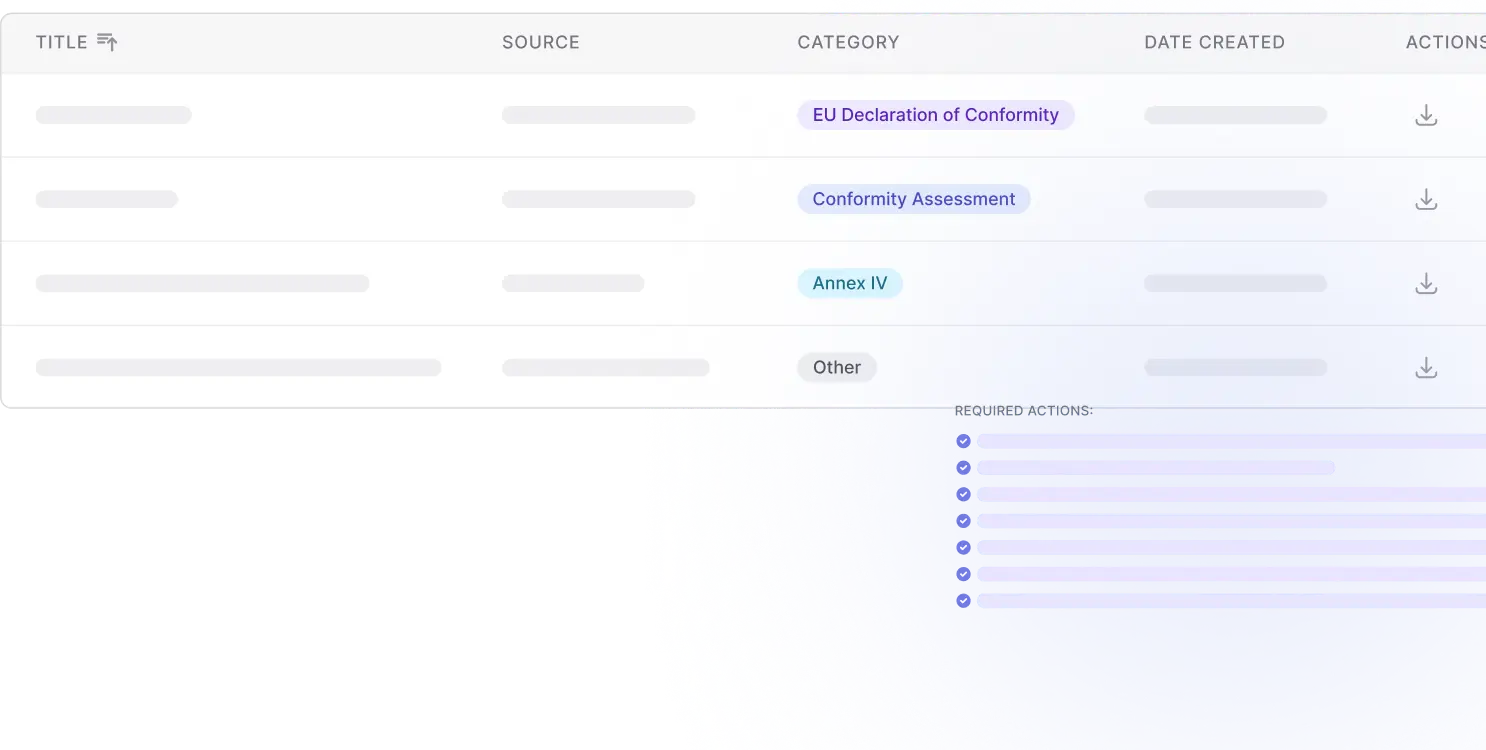
Step 3: Record Linking & Documentation

Connect models to datasets, use cases, and previous assessments, maintaining a fully auditable history of changes.
feature 1 - step 3 with eclipse
Insights icon

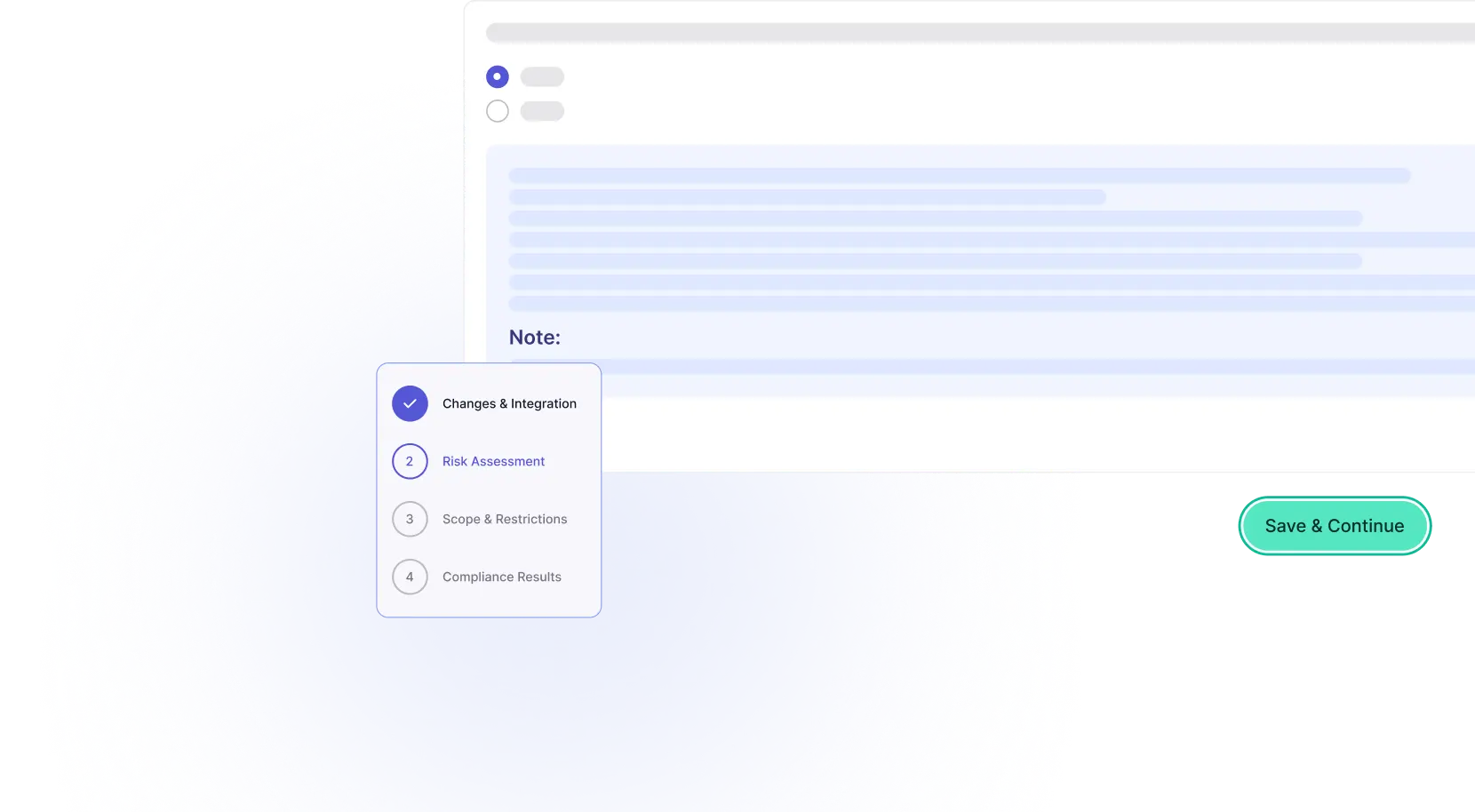
Step 2: Risk Assessment & Classification

Automatically evaluate each system against EU AI Act criteria and assign the appropriate risk tier among the four of them.
glass icon

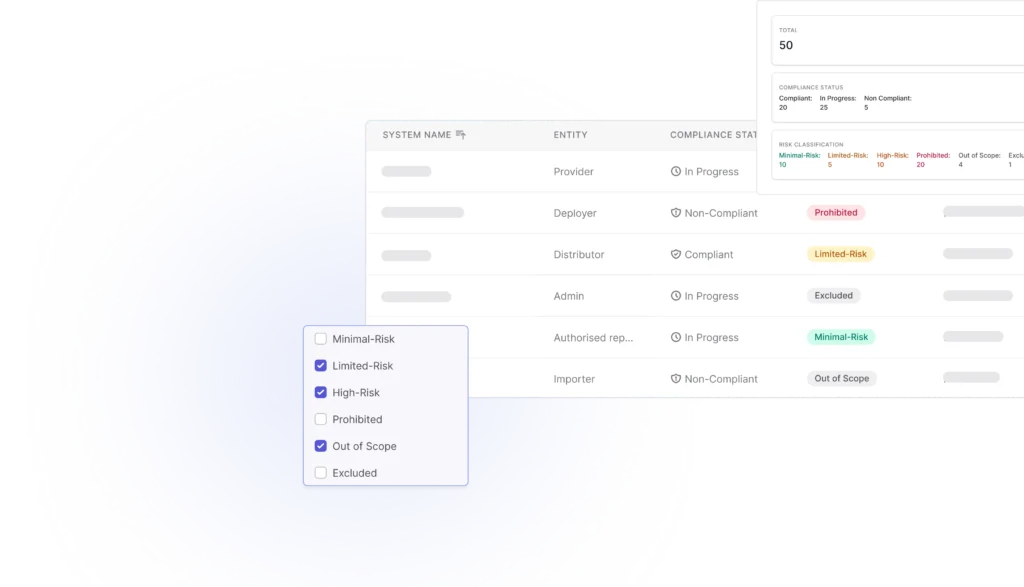
Step 1: System Identification & Registration

Add AI models and datasets into the centralized AI use case inventory with key metadata and ownership details.
feature 1 - step 1 with eclipse
icon popup 4

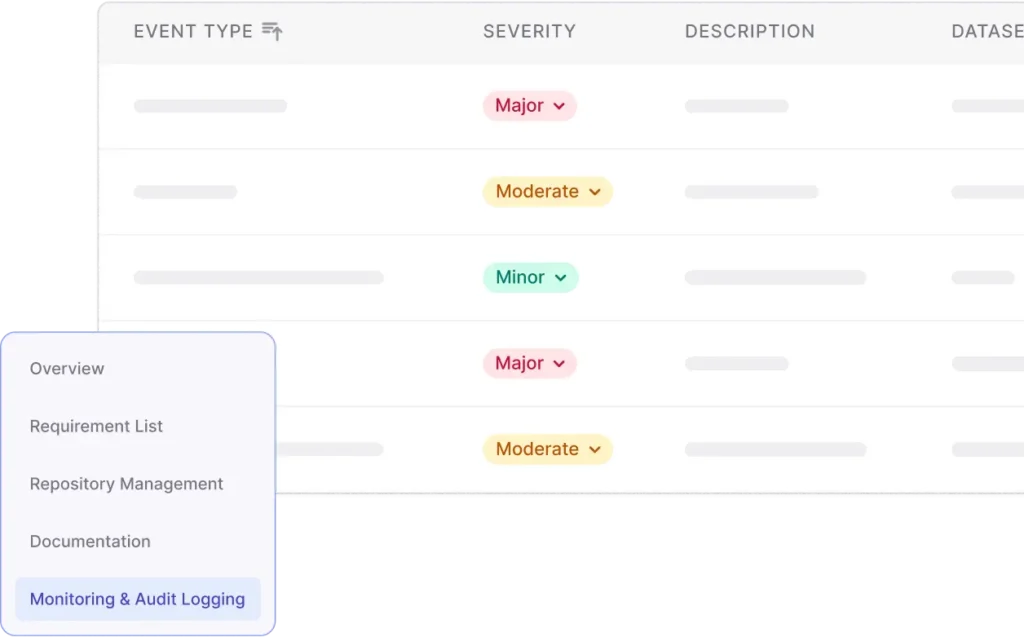
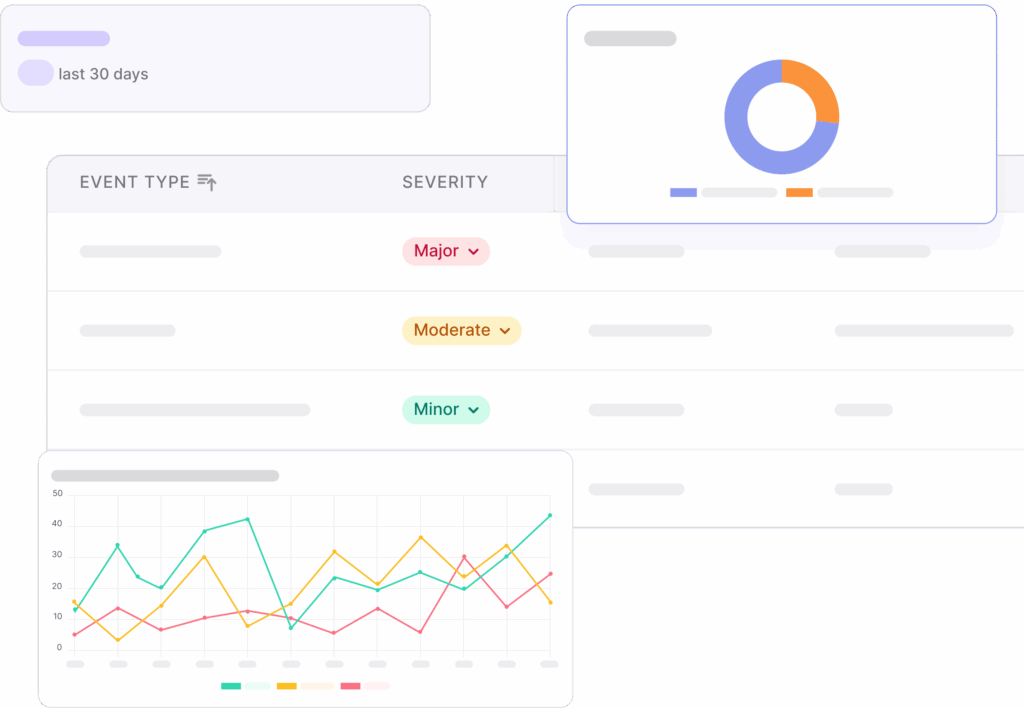
Audit & Continuous Monitoring

Maintain audit integrity with real-time tracking, immutable logs, and compliance dashboards. 

CompliAI enables continuous monitoring of every AI system, helping organizations stay compliant as regulations evolve.
icon popup 3

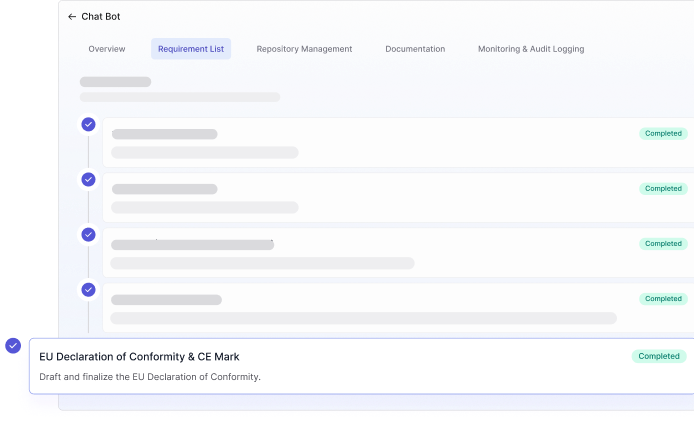
Requirements Workflow & Conformity Management

Simplify your path to CE marking and regulatory conformity. 

Follow built-in workflows that outline every requirement, track progress, and generate draft declarations of conformity in line with EU standards.
popup 3 image
icon popup 2

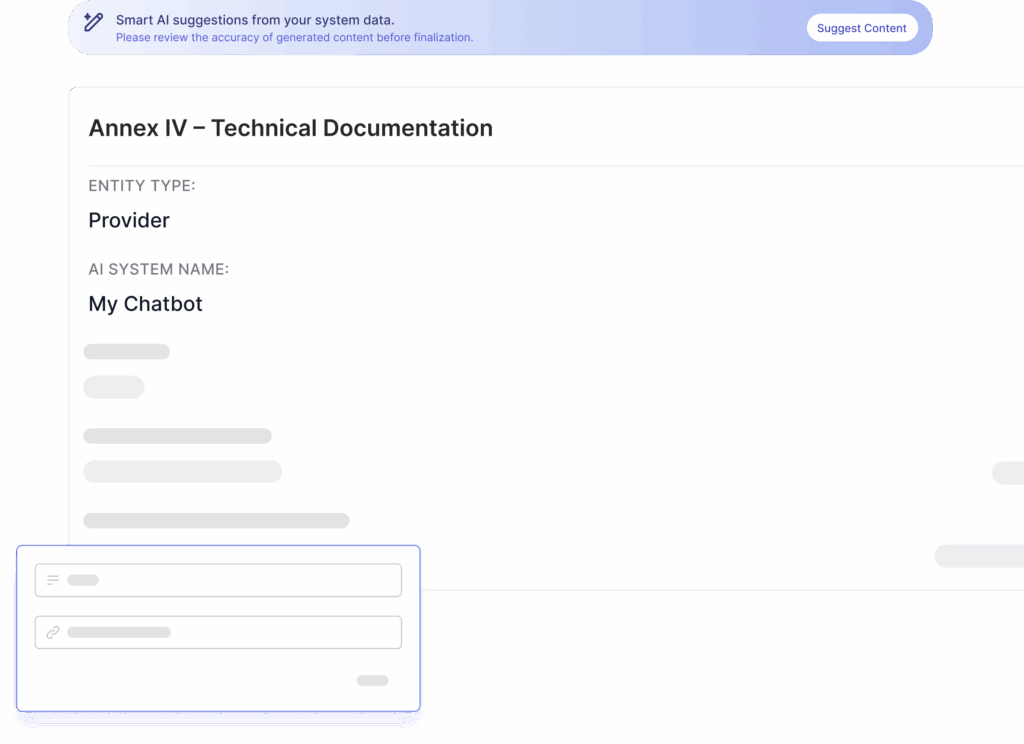
Annex IV Technical Documentation Automation

Automatically generate, organize, and update all required documentation in structured formats. 

CompliAI links evidence, datasets, and audit records to build comprehensive technical files, ensuring consistency and audit readiness.
icon popup 1

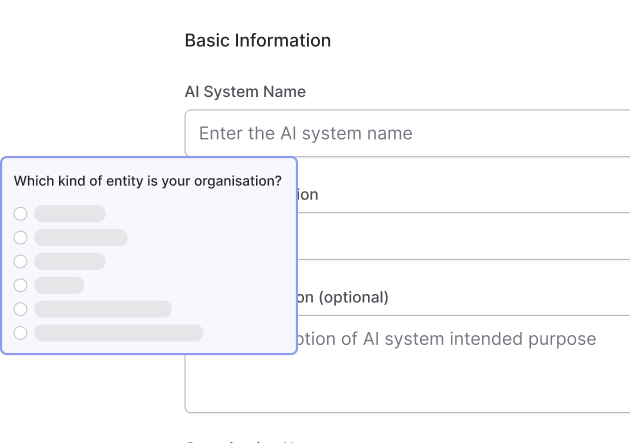
AI System Inventory & Risk Classification

Map every AI system across your organization and determine its regulatory risk level through guided assessments aligned with the EU AI Act.

The platform centralizes system ownership, data, and accountability so that you can have full visibility from day one.