News Post test

Lorem Ipsum is simply dummy text of the printing and typesetting industry.

Lorem Ipsum is simply dummy text of the printing and typesetting industry.


Apply approved changes, update baselines, and reset the monitoring loop.
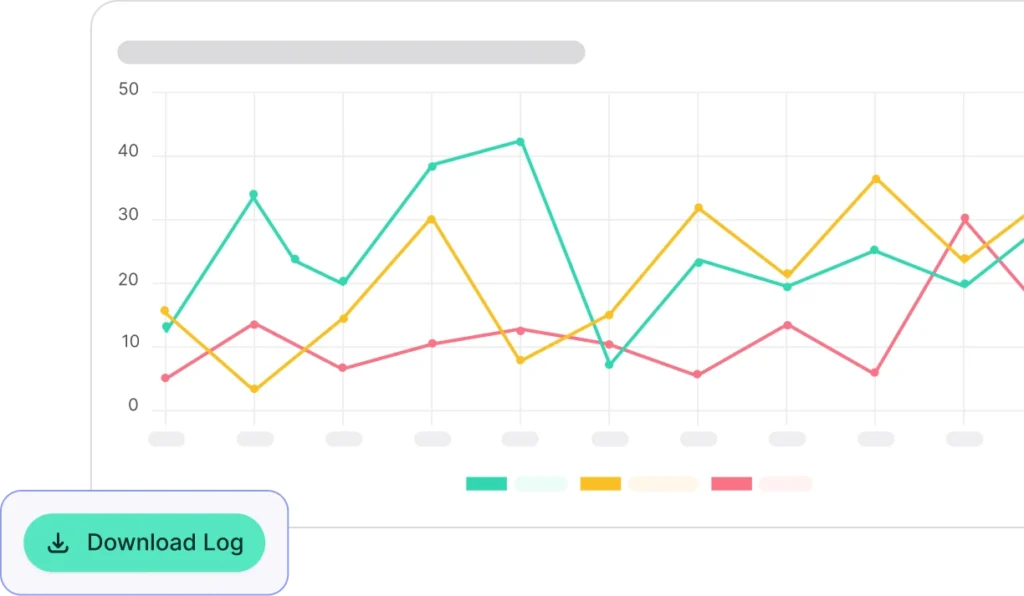
AI audit software captures an immutable entry with evidence, context, and reviewer notes for compliance.
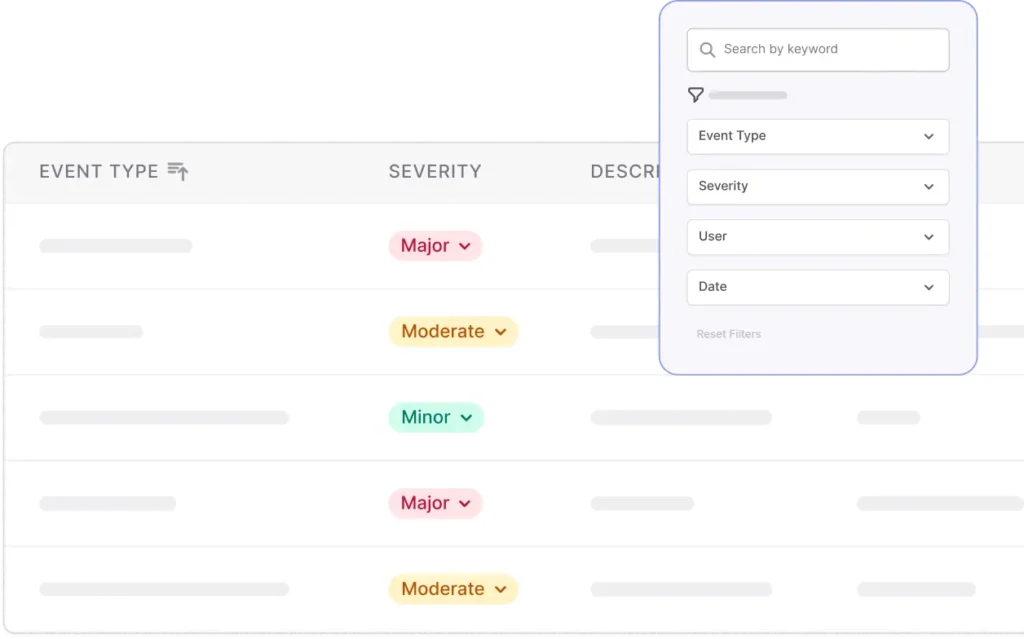

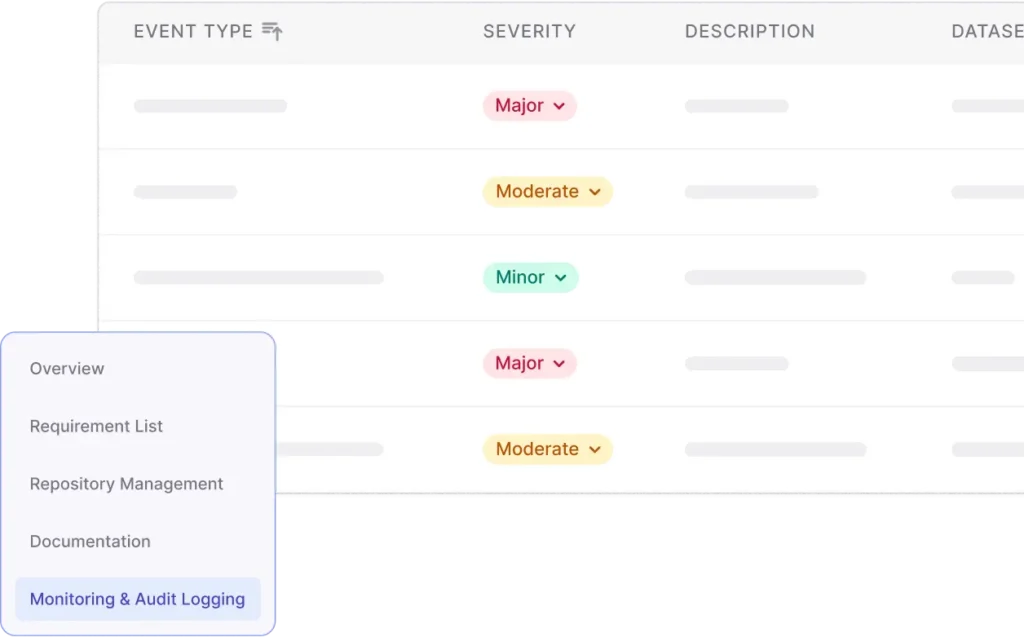
Evaluate flagged issues to determine severity, scope, and whether regulatory reporting or remediation is required.
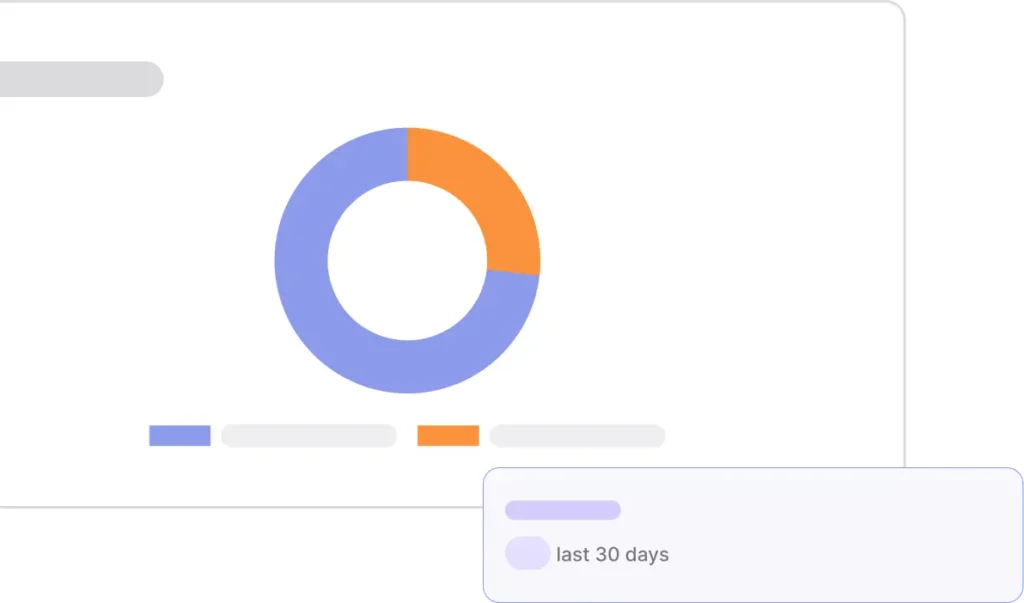

Detect deviations and trigger prioritized alerts when thresholds or drift detectors are breached.
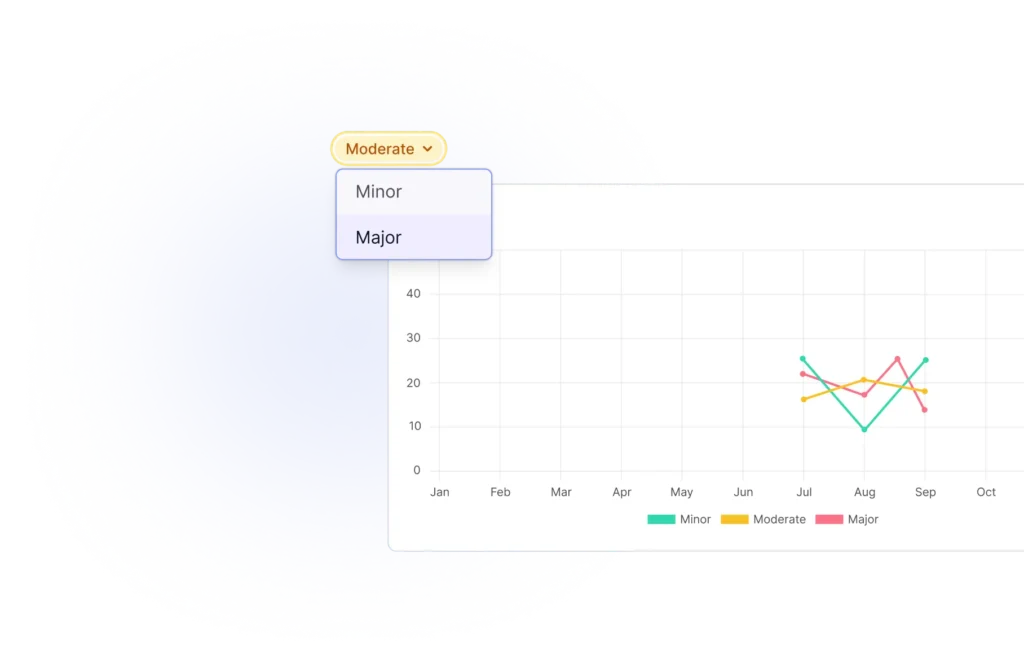

Collect telemetry, performance metrics, and logs continuously from deployed models and pipelines.

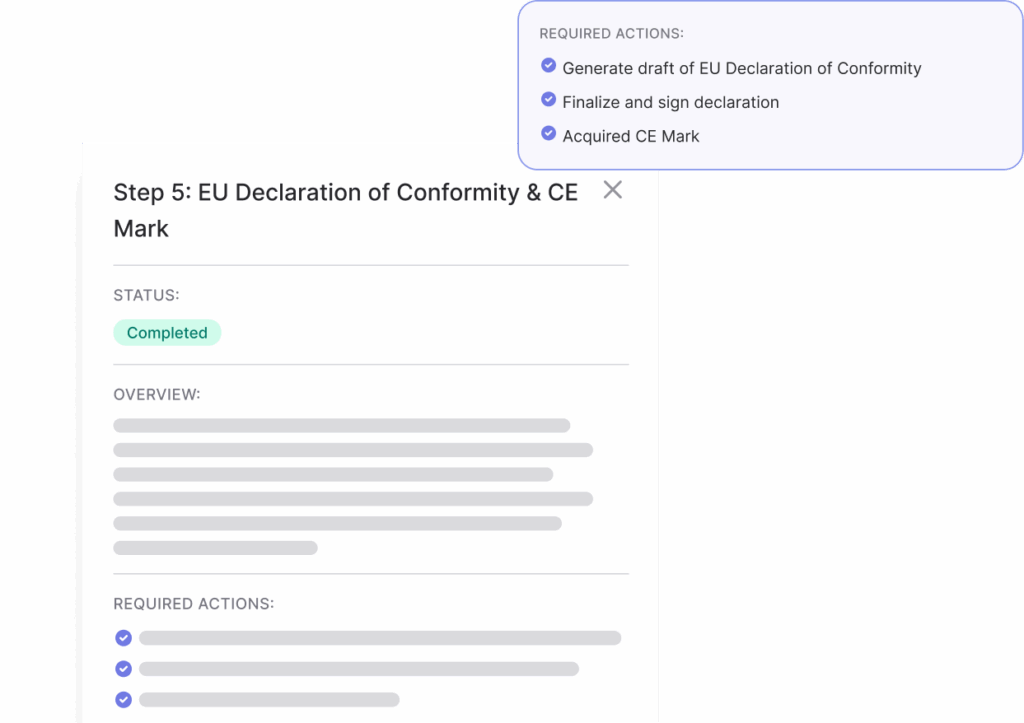
Perform final approvals, lock the workflow state, and output the conformity decision trail for internal records or notified-body review.
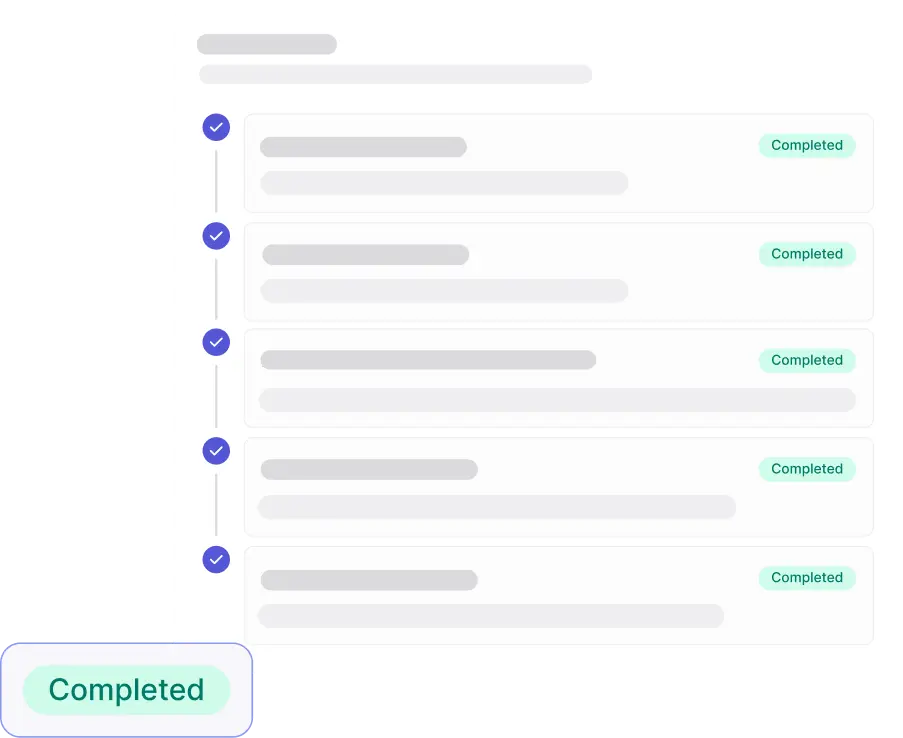

Run configured readiness checks and reviews to confirm every checkpoint meets the criteria before advancing.

Execute the assigned tasks (testing, verification, and process steps) while recording outcome metadata and timestamps.

Allocate owners, deadlines, and required roles for each task so nothing remains unclaimed.

Map the system’s intended use and risk profile, then select the required conformity route and task set.

Produce a finalized technical file that is compliant, version-controlled, and ready for internal review or submission.
Perform completeness checks and ensure each section aligns with AI Act documentation requirements before finalizing.
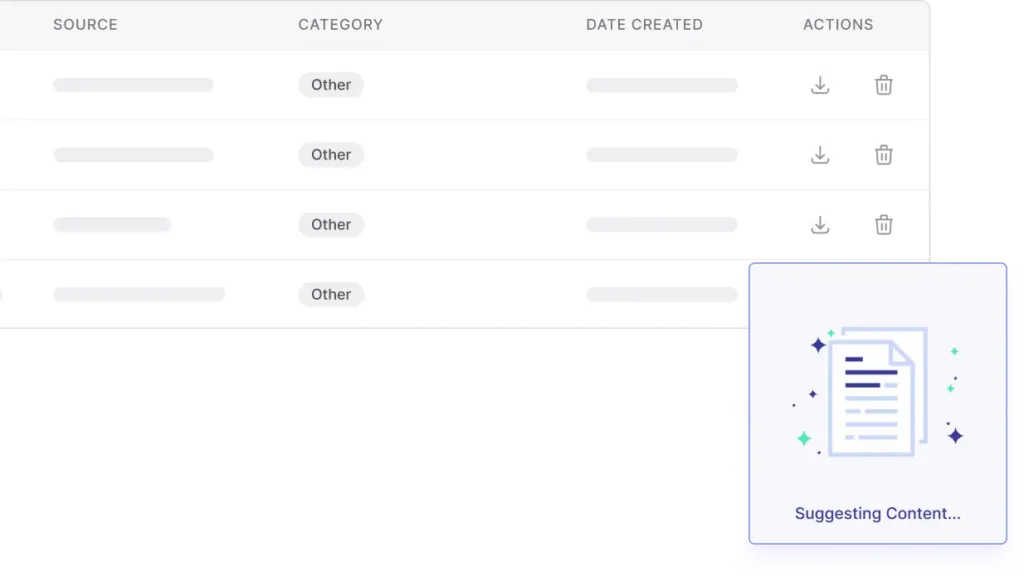

Associate datasets, test results, and design files with their relevant sections to maintain a clear, auditable record.
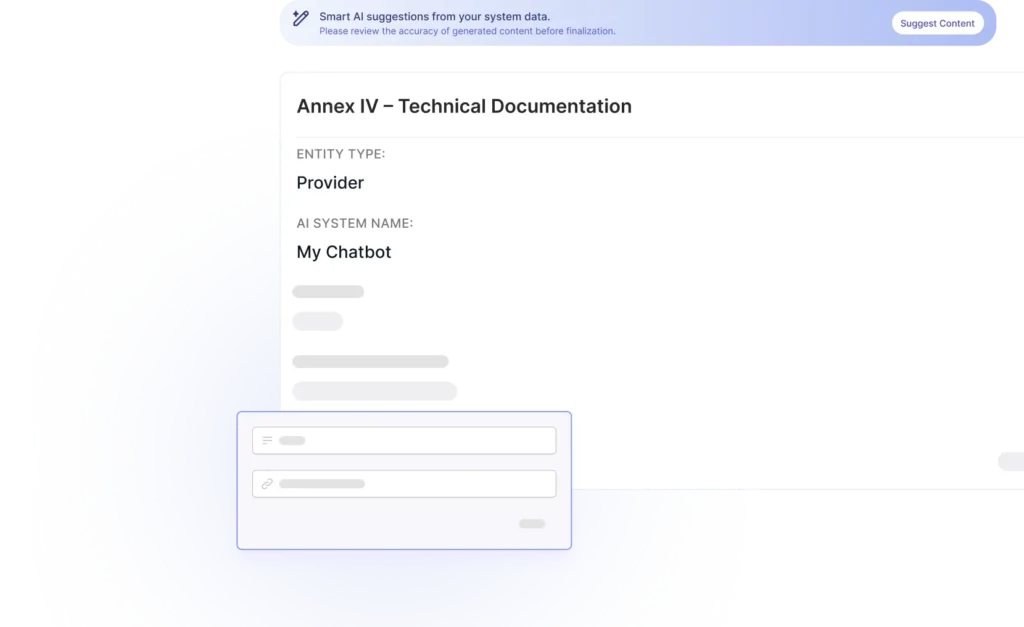
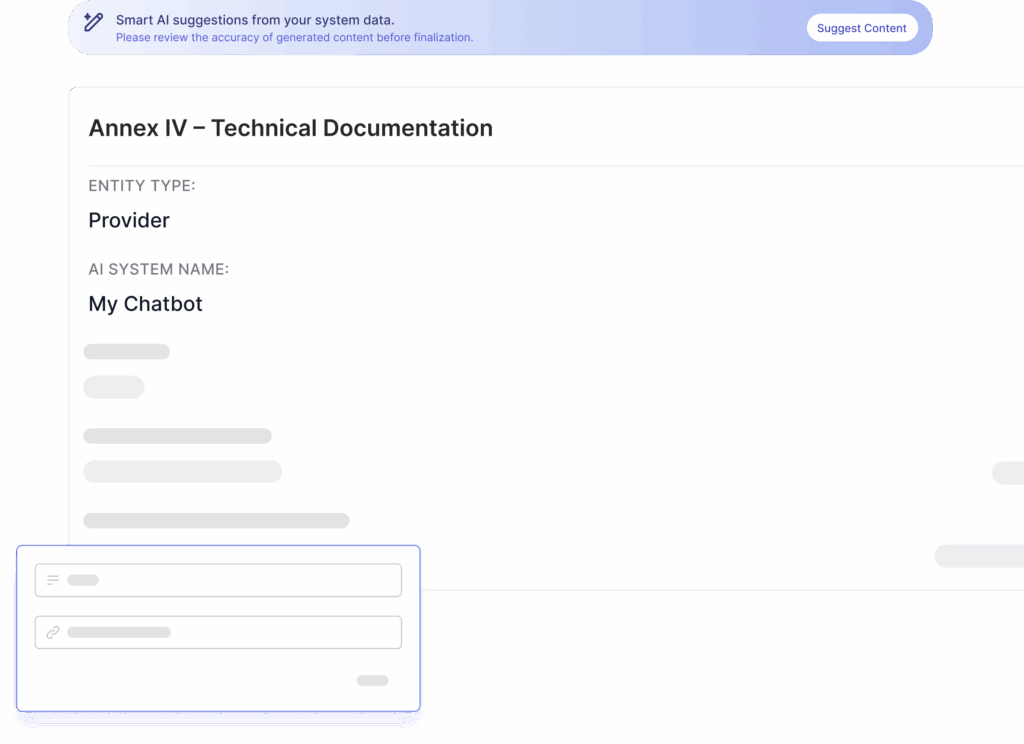
Collect all necessary system information, design artifacts, and supporting evidence to prepare for Annex IV technical documentation.
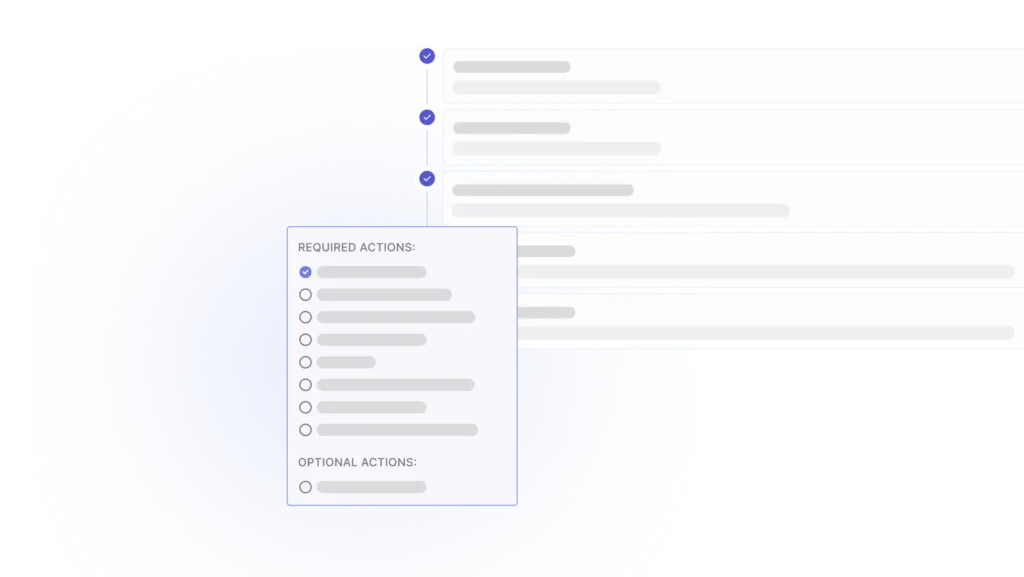

Continuously update classifications and inventory entries as models evolve or new AI systems are introduced, ensuring enterprise-wide visibility.
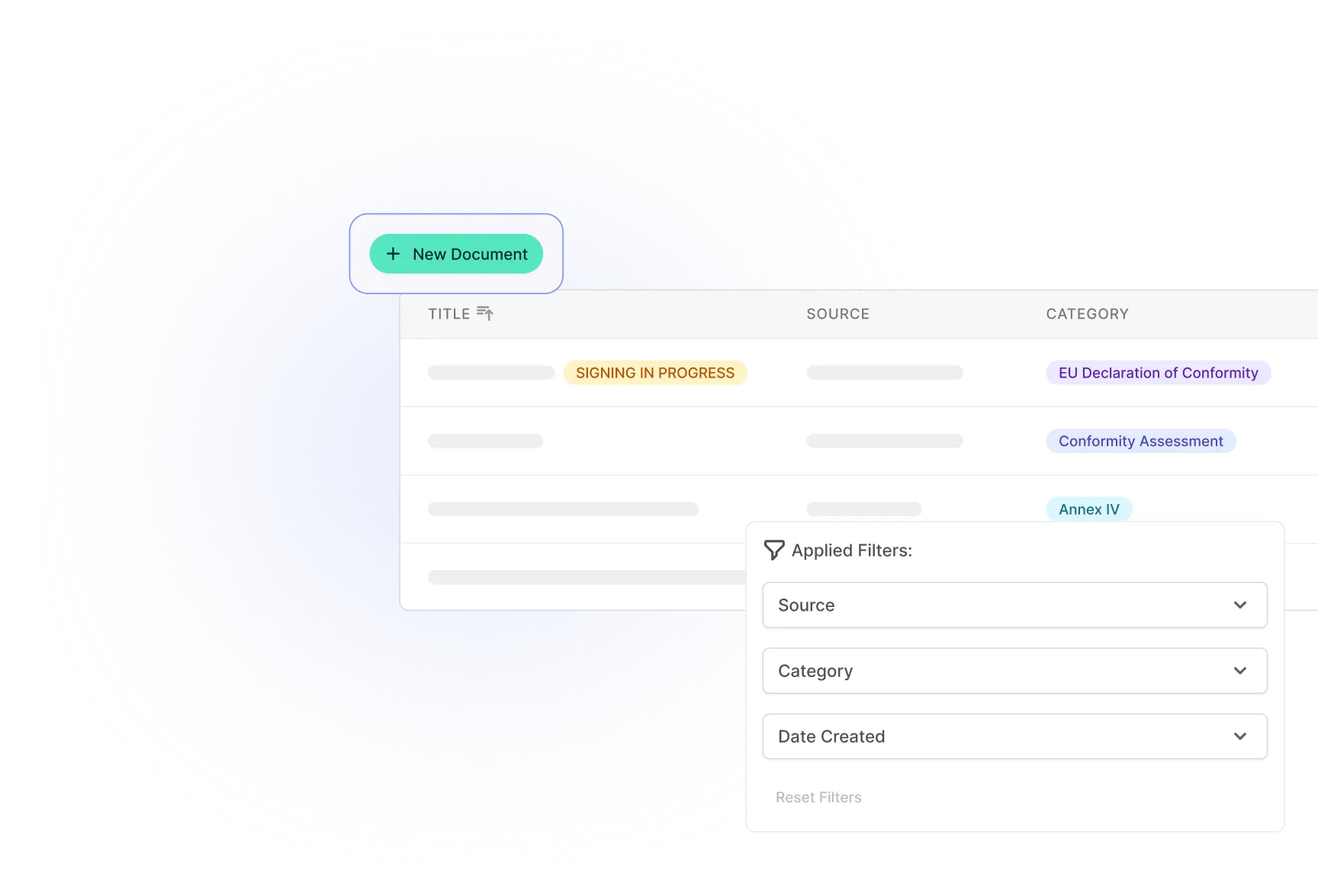

Connect models to datasets, use cases, and previous assessments, maintaining a fully auditable history of changes.
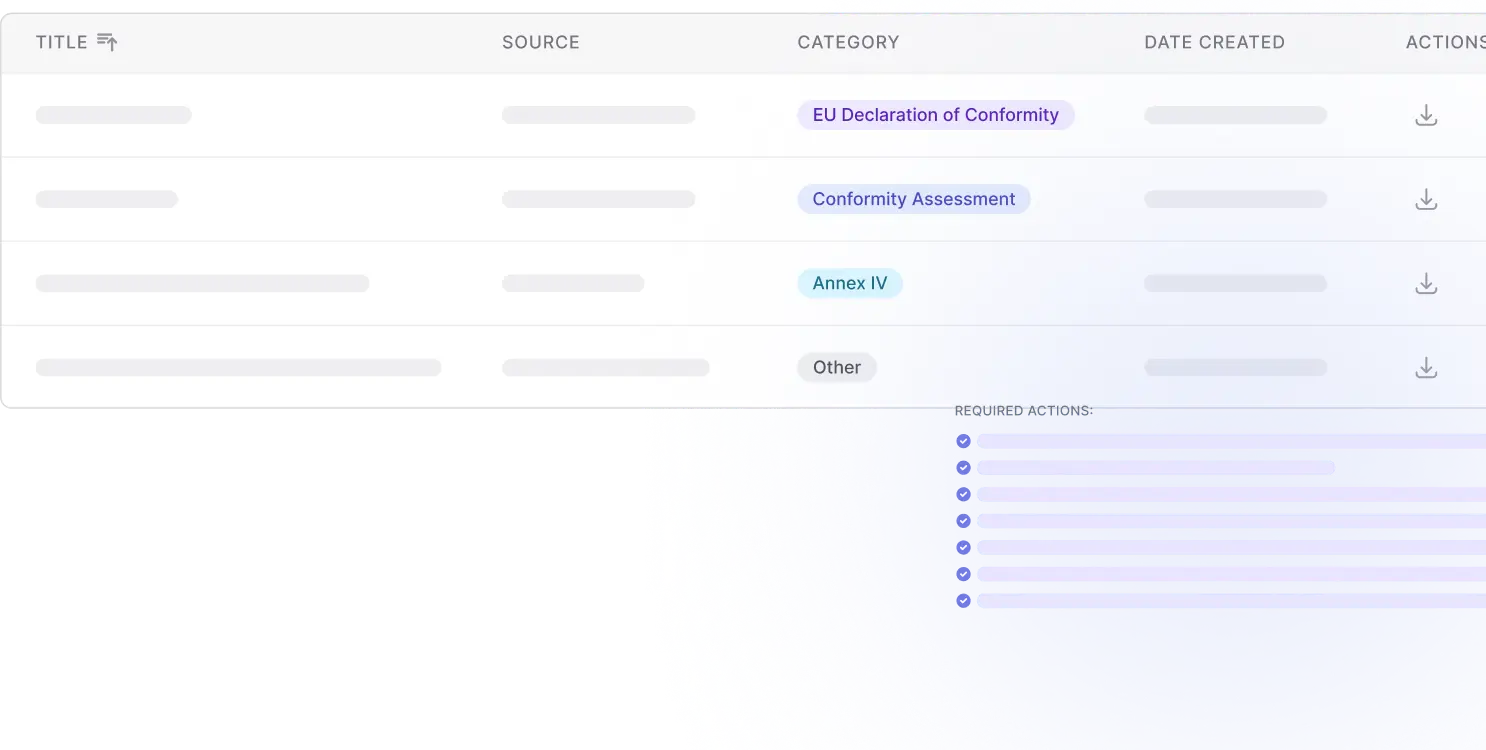

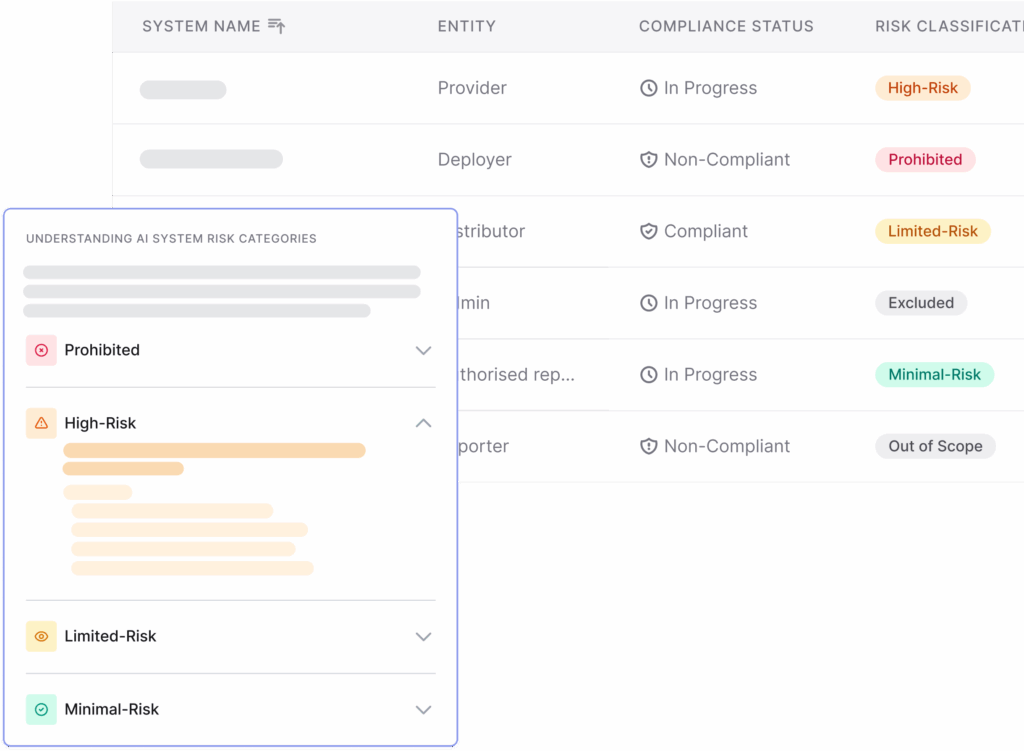
Automatically evaluate each system against EU AI Act criteria and assign the appropriate risk tier among the four of them.
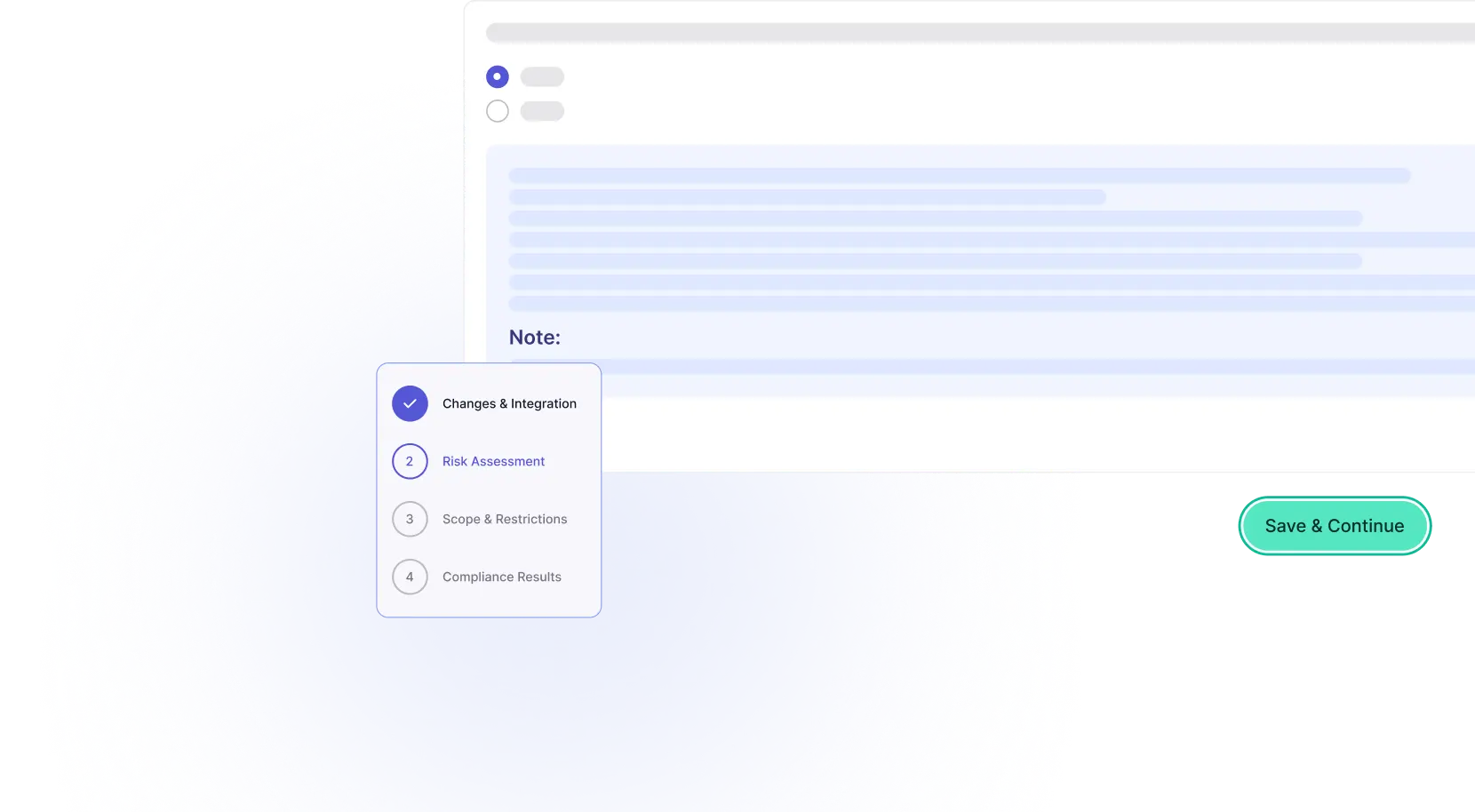

Add AI models and datasets into the centralized AI use case inventory with key metadata and ownership details.
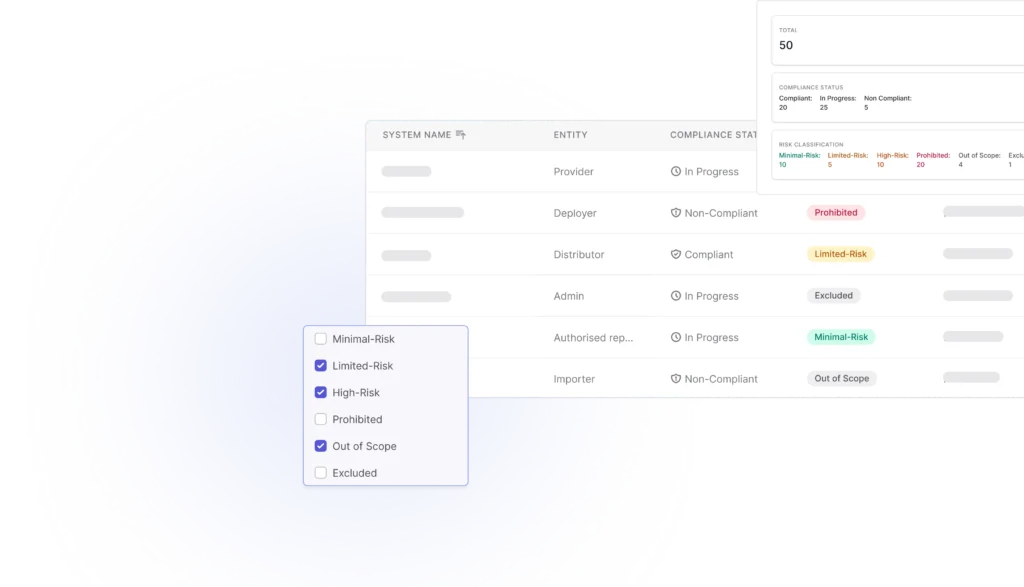

Maintain audit integrity with real-time tracking, immutable logs, and compliance dashboards. CompliAI enables continuous monitoring of every AI system, helping organizations stay compliant as regulations evolve.
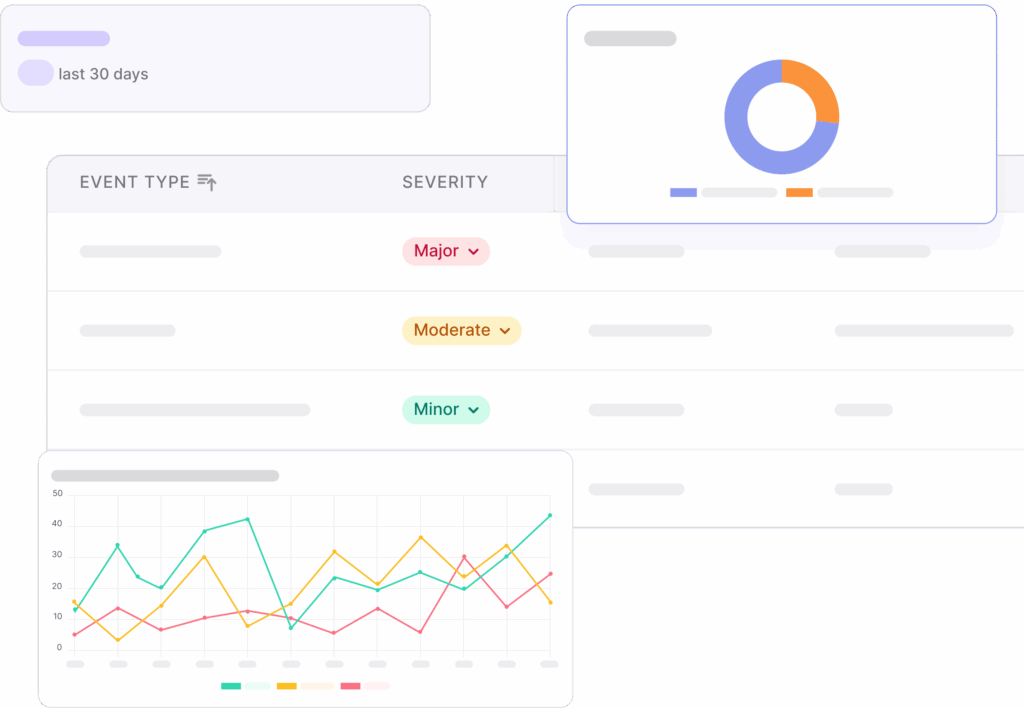

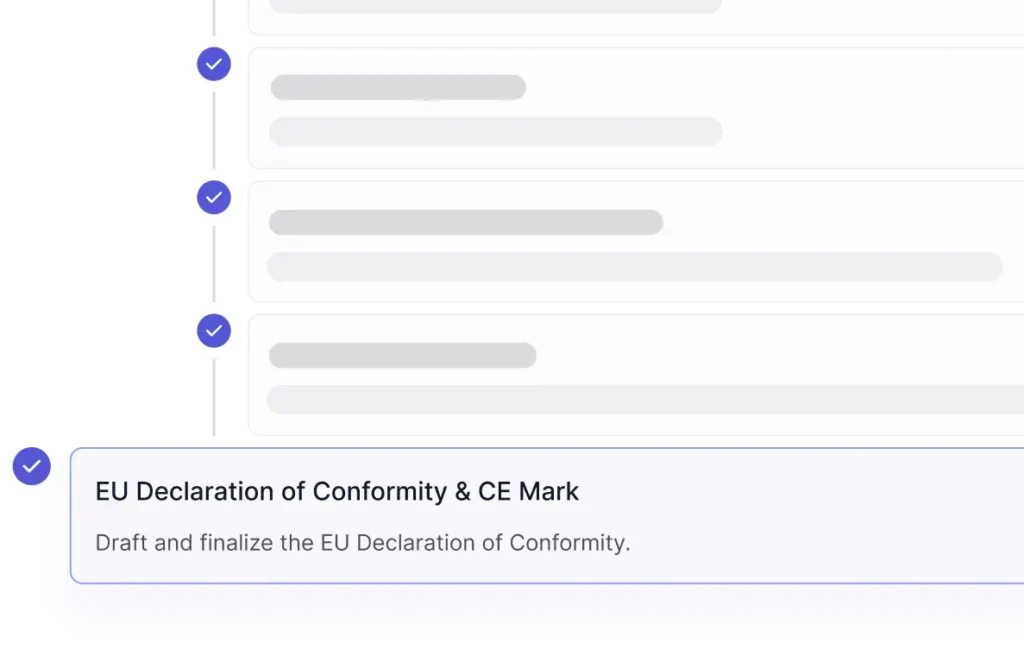
Simplify your path to CE marking and regulatory conformity. Follow built-in workflows that outline every requirement, track progress, and generate draft declarations of conformity in line with EU standards.
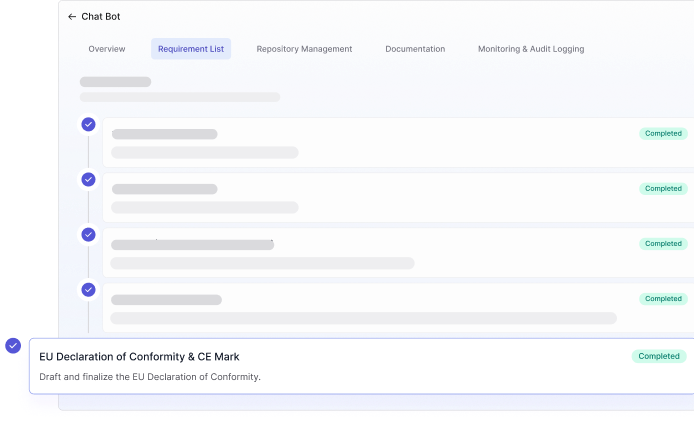

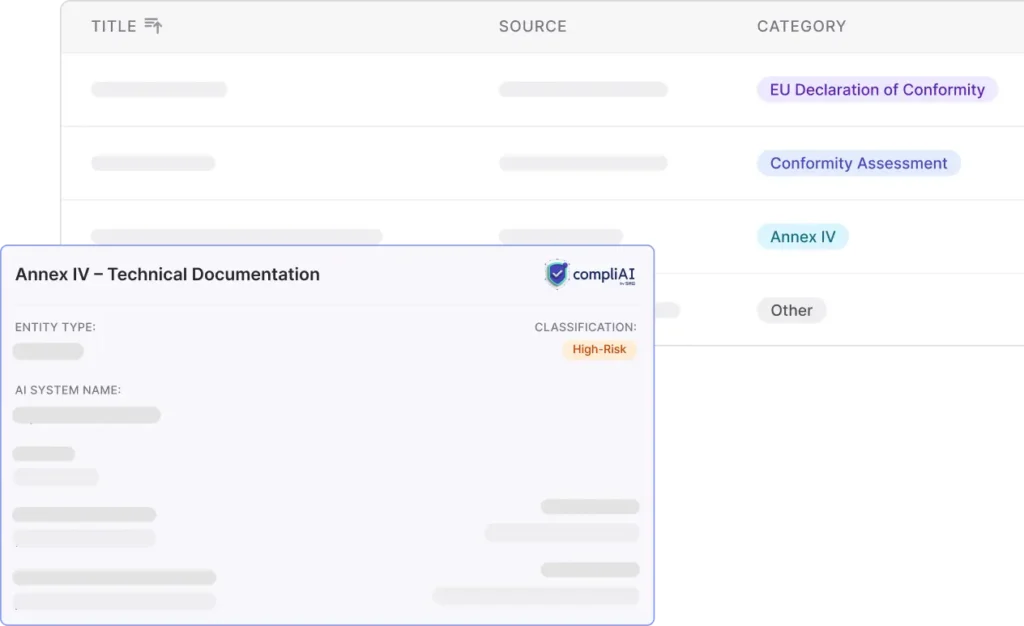
Automatically generate, organize, and update all required documentation in structured formats. CompliAI links evidence, datasets, and audit records to build comprehensive technical files, ensuring consistency and audit readiness.

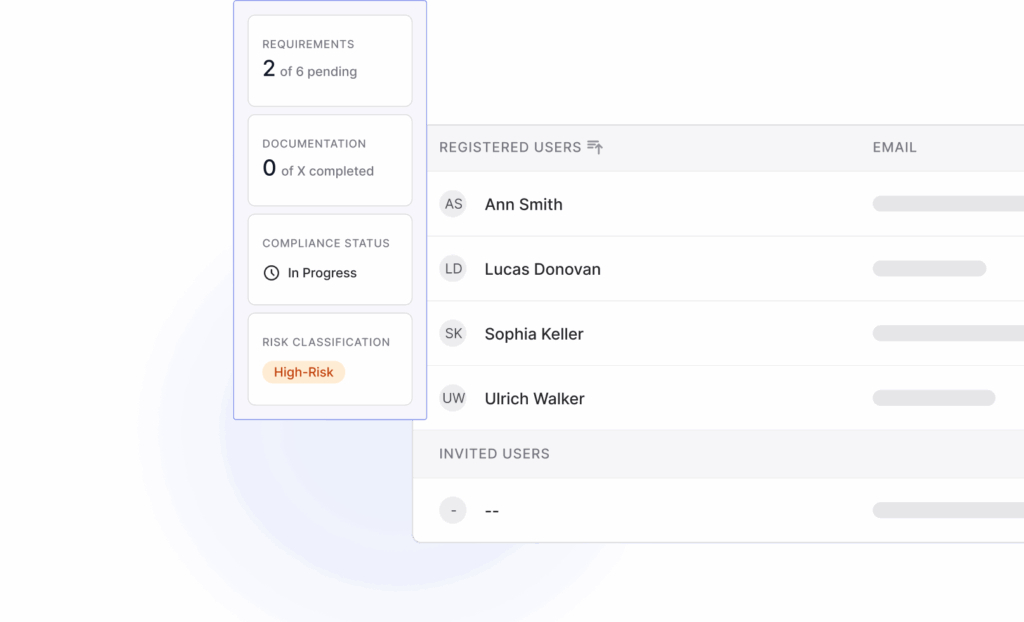
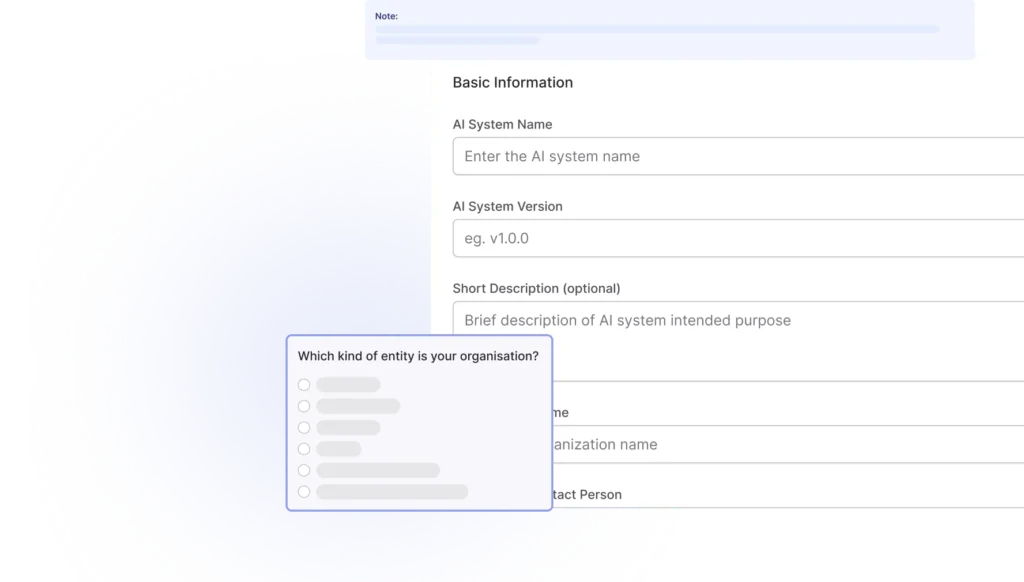
Map every AI system across your organization and determine its regulatory risk level through guided assessments aligned with the EU AI Act. The platform centralizes system ownership, data, and accountability so that you can have full visibility from day one.