Stay updated on the EU AI Act, industry best practices, and compliance workflows!
Key EU AI Act Obligations
CompliAI platform unifies the essential functions of AI governance into a single, intelligent system. It replaces fragmented compliance processes with one secure hub for managing AI systems, ensuring readiness for the EU AI Act and related global standards.
Typically 20–30 minutes depending on your AI systems and compliance needs.
Who is the demo intended for?
Compliance teams, legal teams, AI/ML engineers, product owners, and anyone responsible for AI governance.
Will you review my organization’s AI systems during the demo?
Yes, if you choose to. We can walk through your use cases and show how classification, documentation, and monitoring would apply.
Do I need technical knowledge to follow the demo?
No. We tailor the session to your role (legal, compliance, technical, or executive.)
Is the demo customized for my organization?
Yes. We adjust the walkthrough based on your industry, number of AI systems, and the regulatory obligations that apply.
What happens after the demo?
You’ll receive access to a free 15-day trial and a recommended compliance path for your AI systems.
Is there any obligation or cost to request a demo?
No, requesting a demo is completely free and non-obligatory.
Will you show all four modules in one session?
We focus on the modules most relevant to your needs, but can walk through all four if requested.
Key EU AI Act Obligations
CompliAI platform unifies the essential functions of AI governance into a single, intelligent system. It replaces fragmented compliance processes with one secure hub for managing AI systems, ensuring readiness for the EU AI Act and related global standards.
Typically 20–30 minutes depending on your AI systems and compliance needs.
Who is the demo intended for?
Compliance teams, legal teams, AI/ML engineers, product owners, and anyone responsible for AI governance.
Will you review my organization’s AI systems during the demo?
Yes, if you choose to. We can walk through your use cases and show how classification, documentation, and monitoring would apply.
Do I need technical knowledge to follow the demo?
No. We tailor the session to your role (legal, compliance, technical, or executive.)
Is the demo customized for my organization?
Yes. We adjust the walkthrough based on your industry, number of AI systems, and the regulatory obligations that apply.
What happens after the demo?
You’ll receive access to a free 15-day trial and a recommended compliance path for your AI systems.
Is there any obligation or cost to request a demo?
No, requesting a demo is completely free and non-obligatory.
Will you show all four modules in one session?
We focus on the modules most relevant to your needs, but can walk through all four if requested.
Step 5: Approve & Update the System
Apply approved changes, update baselines, and reset the monitoring loop.
Step 4: Audit & Document Findings
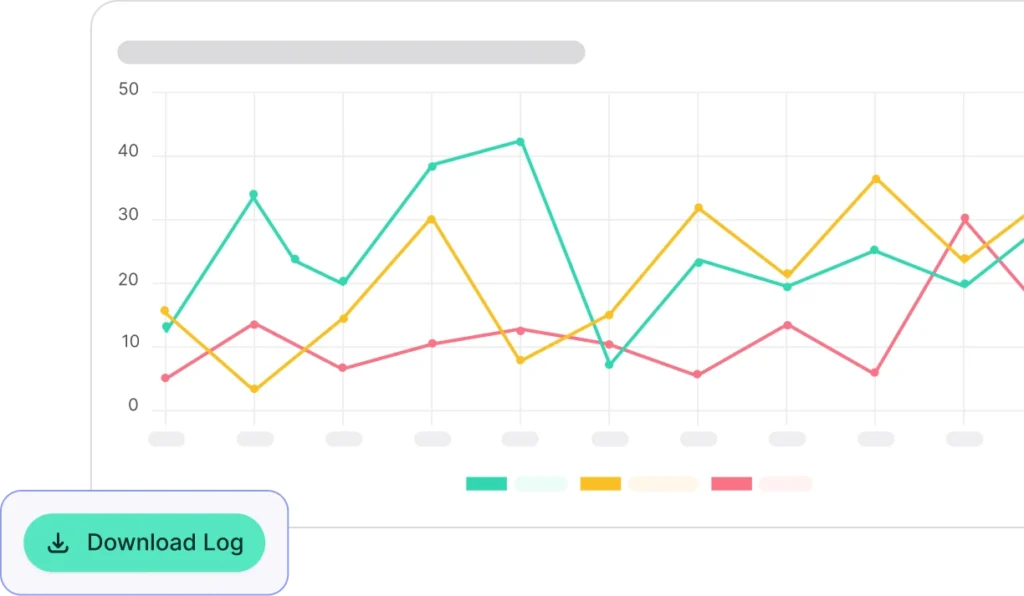
AI audit software captures an immutable entry with evidence, context, and reviewer notes for compliance.
Step 3: Assess Impact
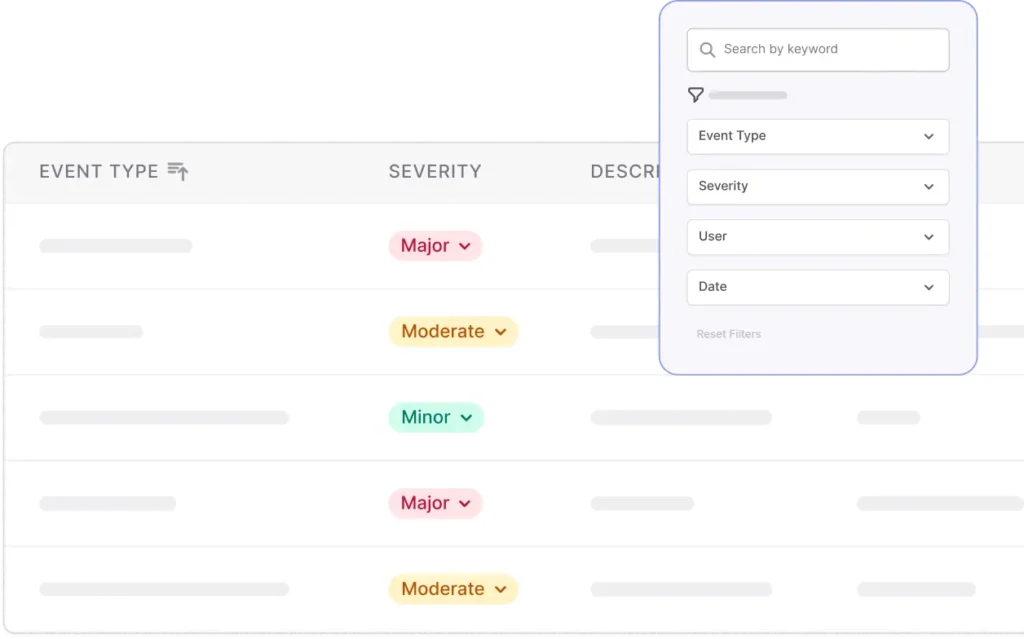
Evaluate flagged issues to determine severity, scope, and whether regulatory reporting or remediation is required.
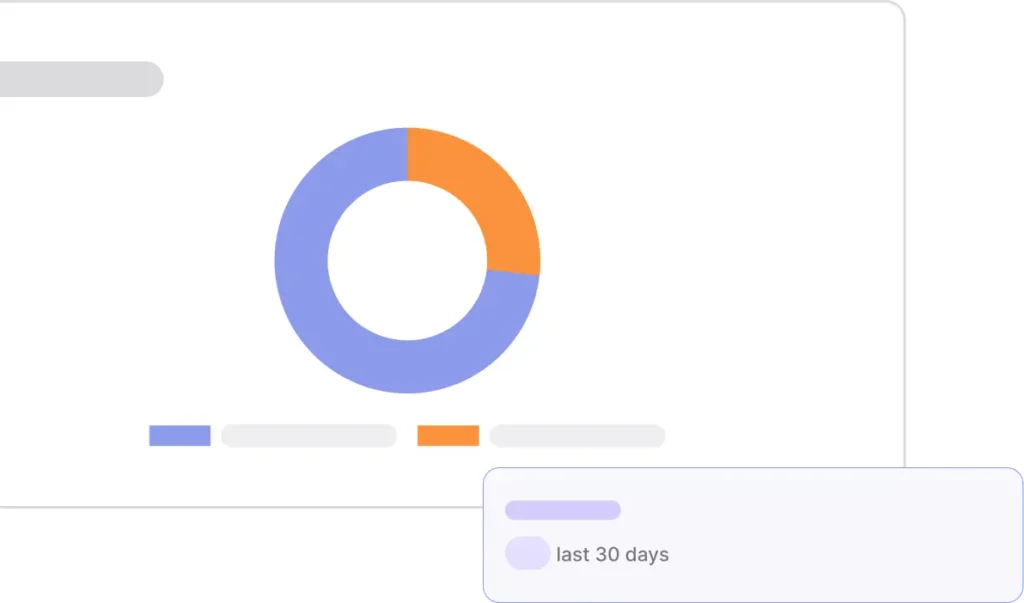
Step 2: Flag Anomalies
Detect deviations and trigger prioritized alerts when thresholds or drift detectors are breached.
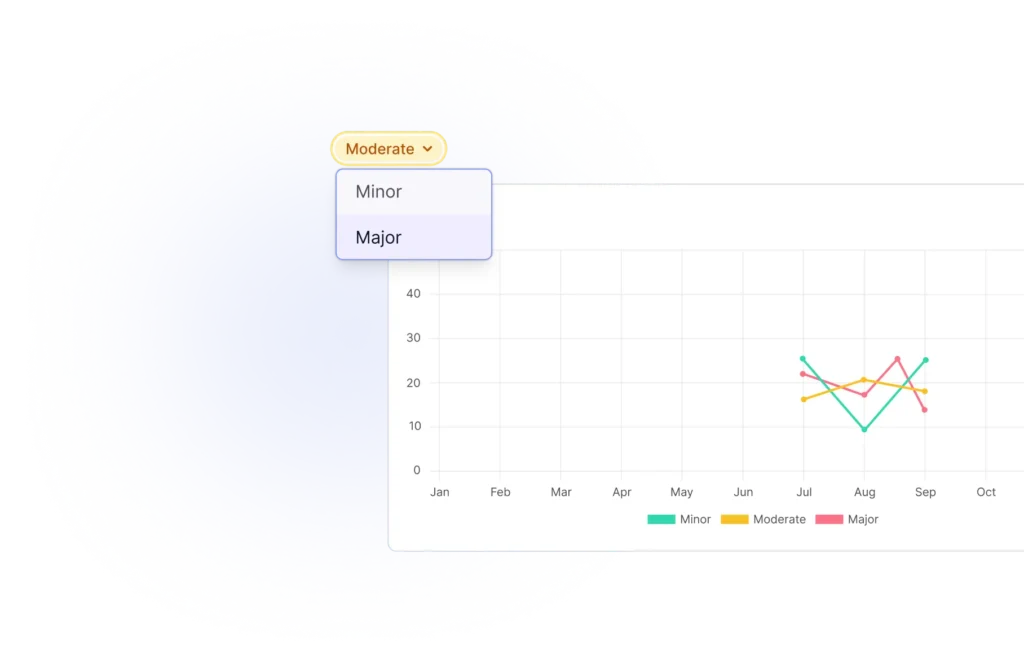
Step 1: Monitor System Signals
Collect telemetry, performance metrics, and logs continuously from deployed models and pipelines.
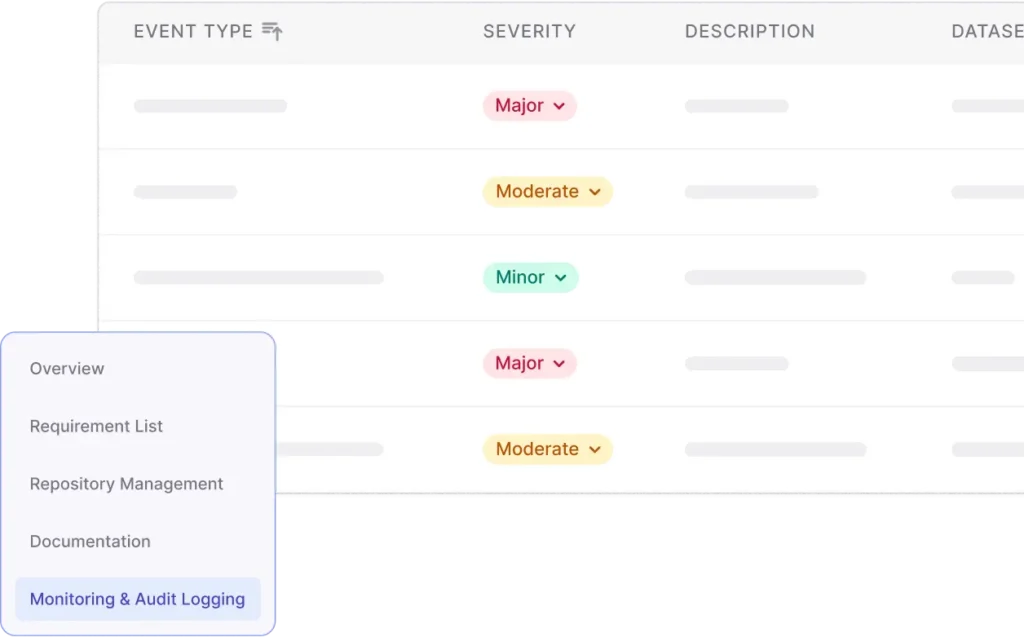
Step 5: Finalize Conformity
Perform final approvals, lock the workflow state, and output the conformity decision trail for internal records or notified-body review.
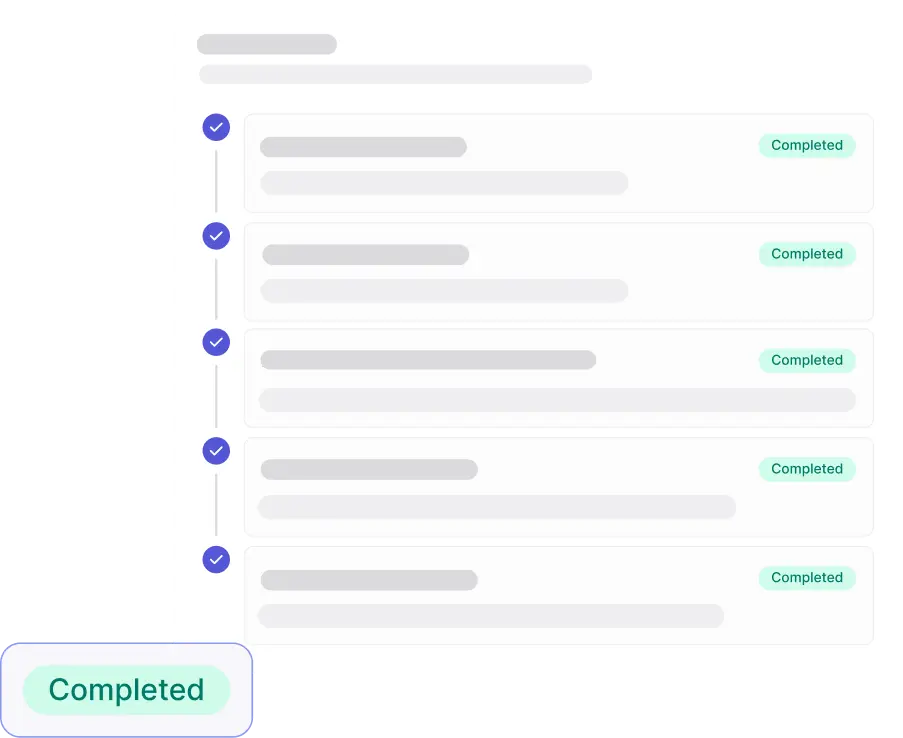
Step 4: Review and Validate
Run configured readiness checks and reviews to confirm every checkpoint meets the criteria before advancing.
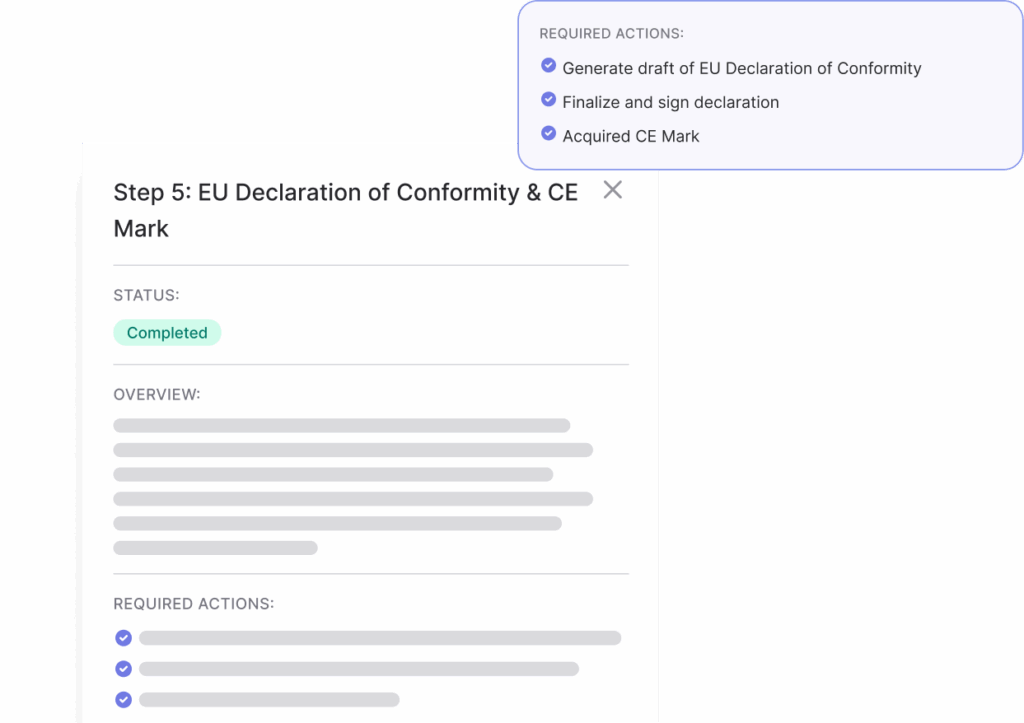
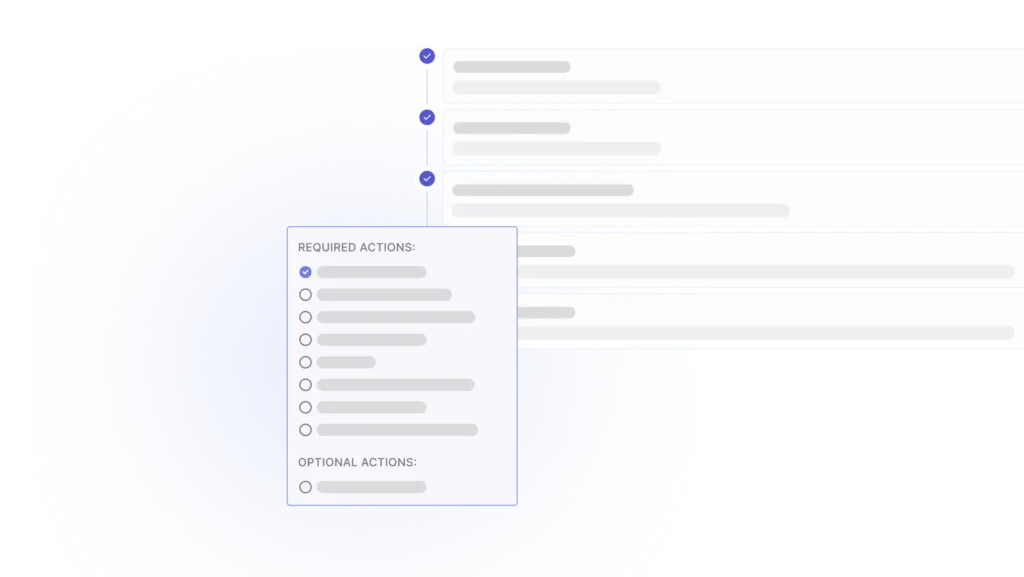
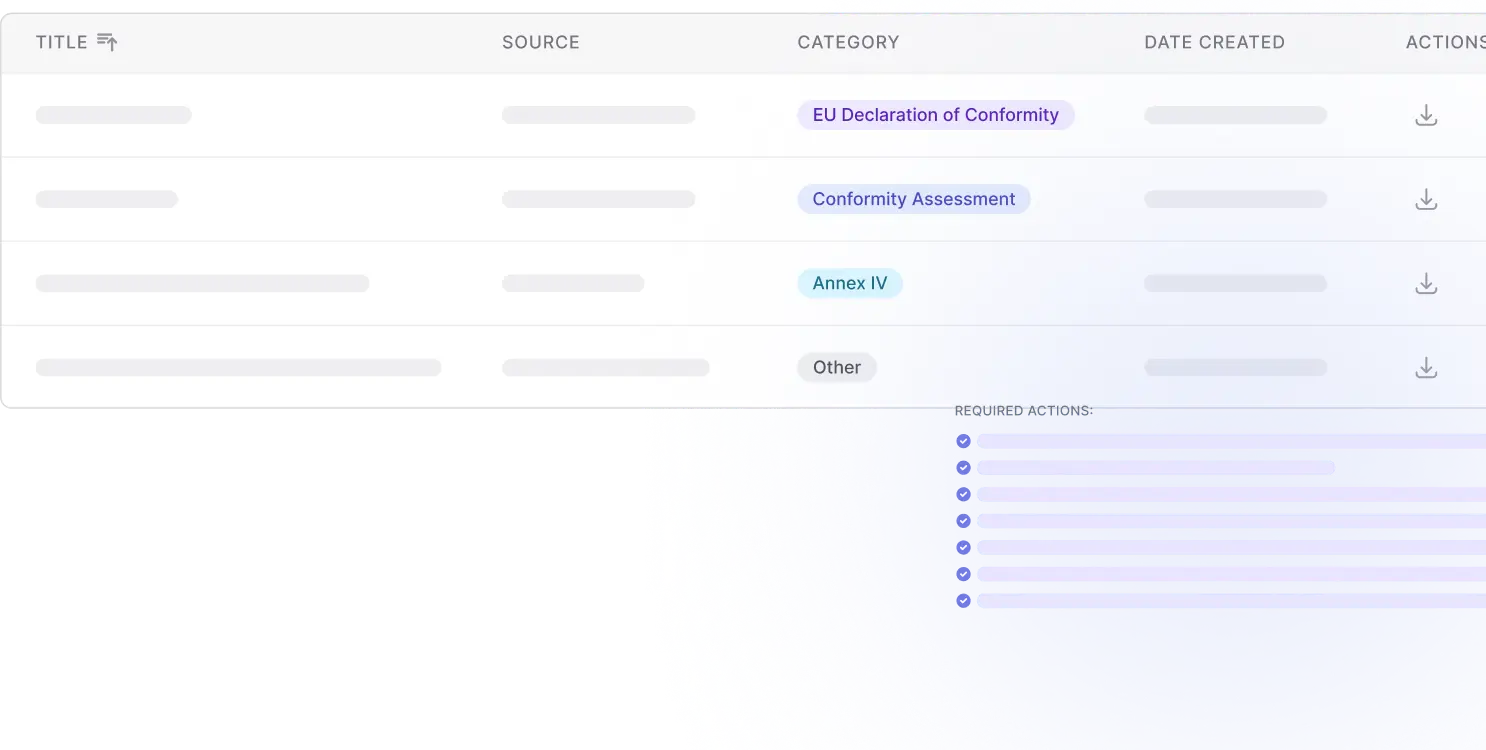
Step 3: Complete Required Actions
Execute the assigned tasks (testing, verification, and process steps) while recording outcome metadata and timestamps.
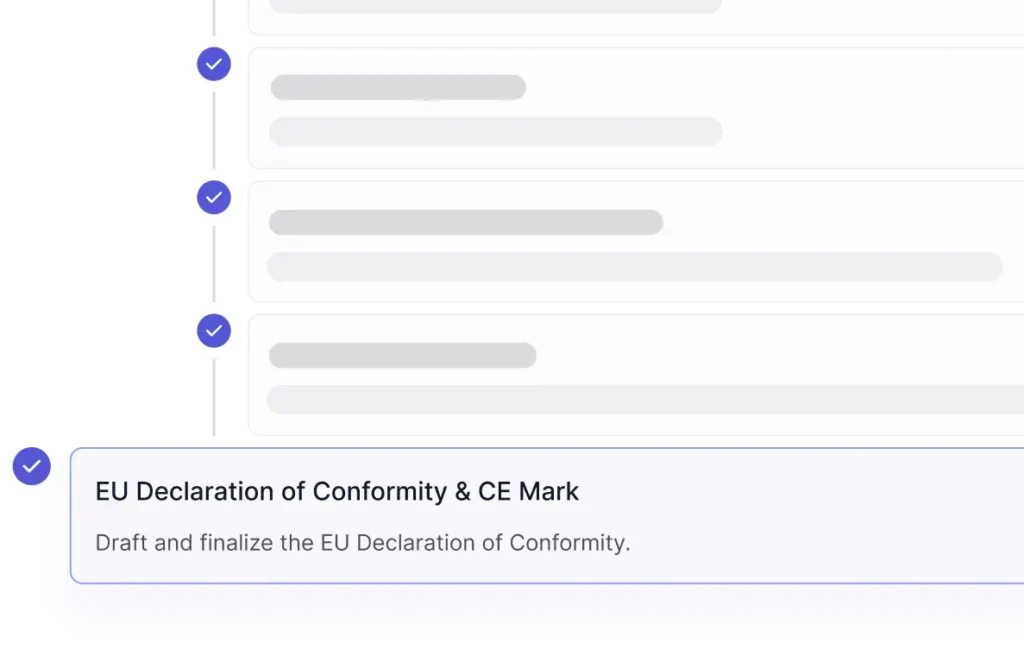
Step 2: Assign Responsibilities
Allocate owners, deadlines, and required roles for each task so nothing remains unclaimed.
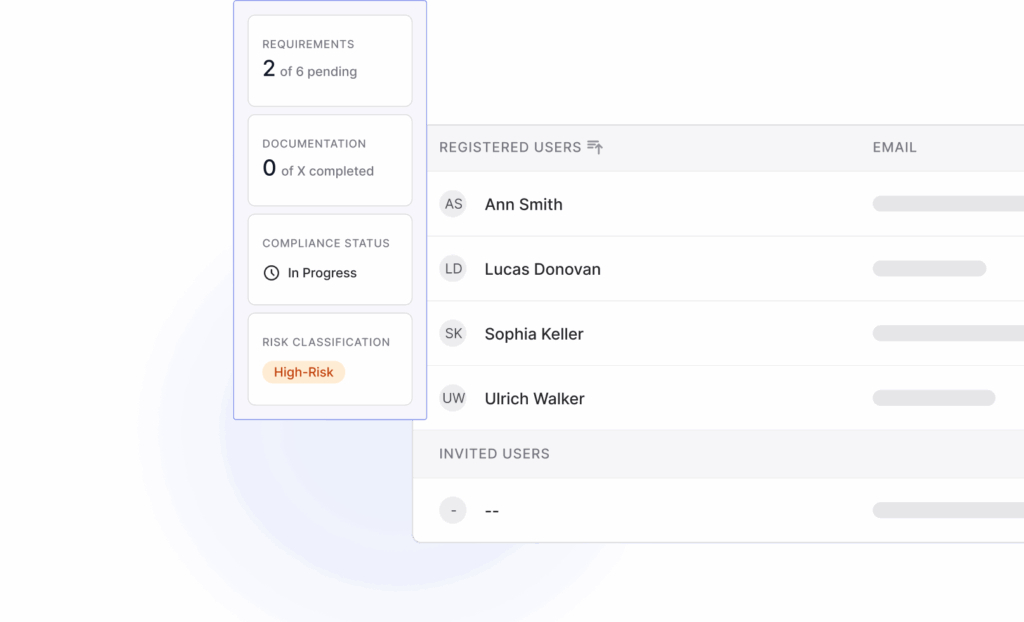
Step 1: Identify Requirements
Map the system’s intended use and risk profile, then select the required conformity route and task set.
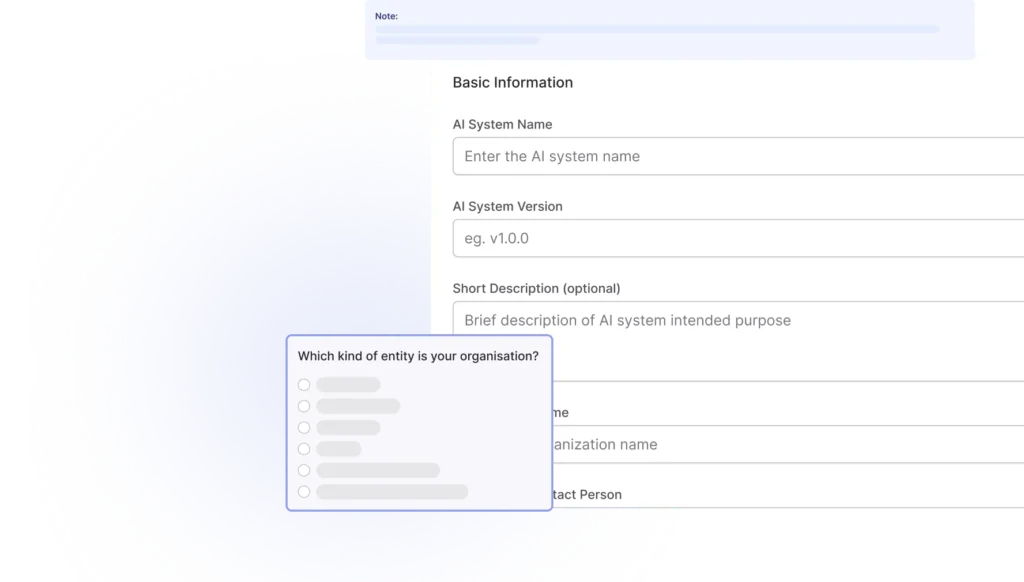
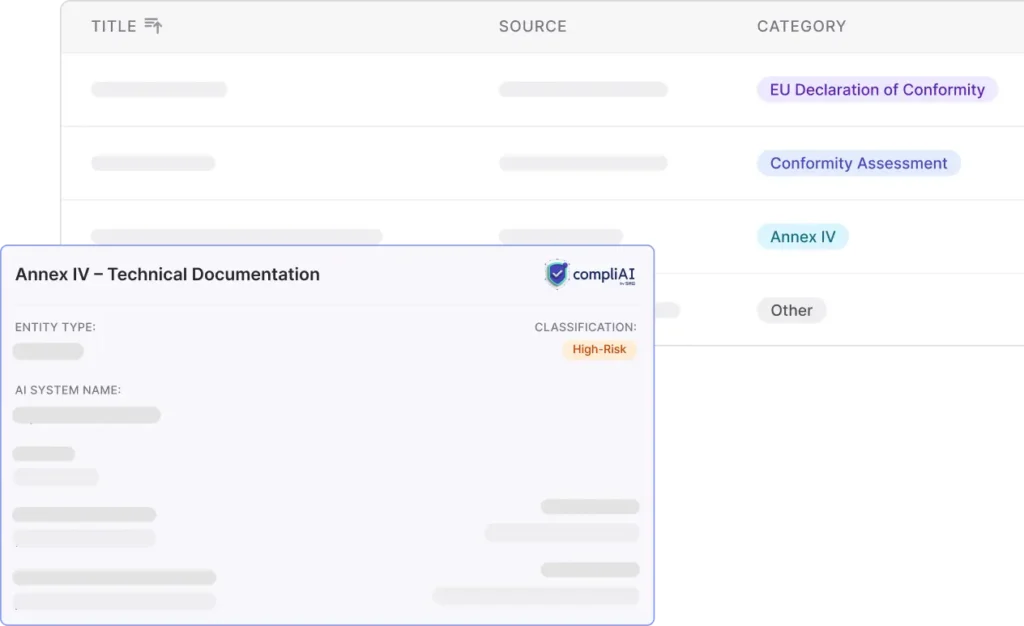
Step 4: Export Audit-Ready Files
Produce a finalized technical file that is compliant, version-controlled, and ready for internal review or submission.
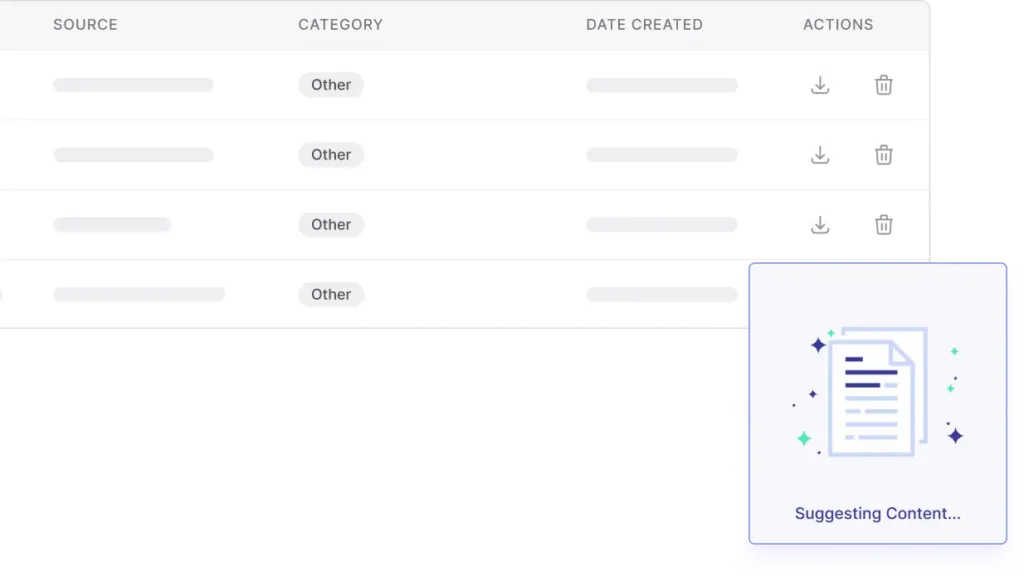
Step 3: Validate Technical File
Perform completeness checks and ensure each section aligns with AI Act documentation requirements before finalizing.
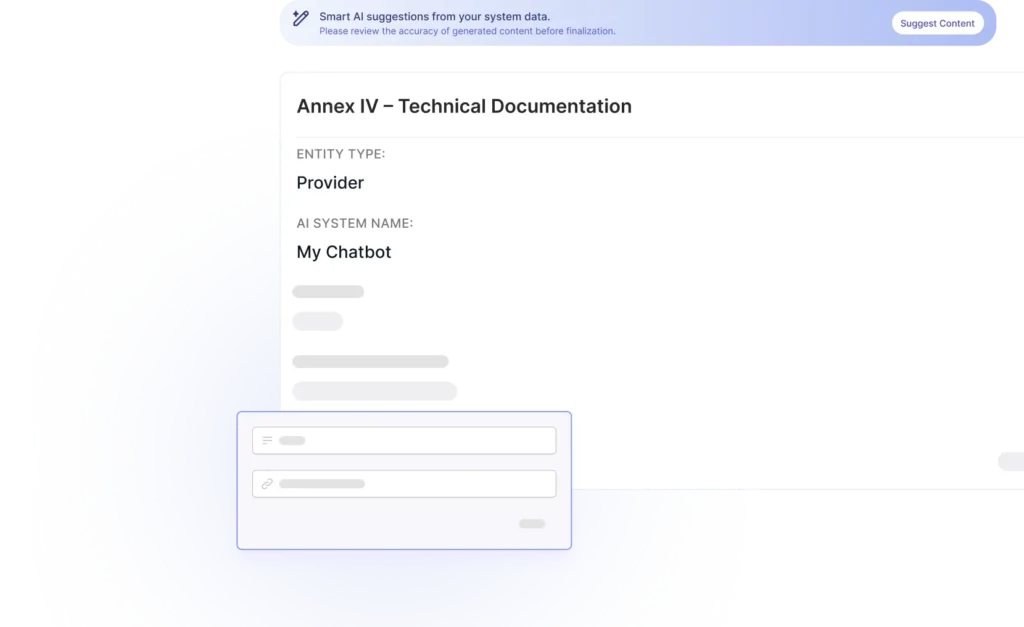
Step 2: Link Evidence for Traceability
Associate datasets, test results, and design files with their relevant sections to maintain a clear, auditable record.
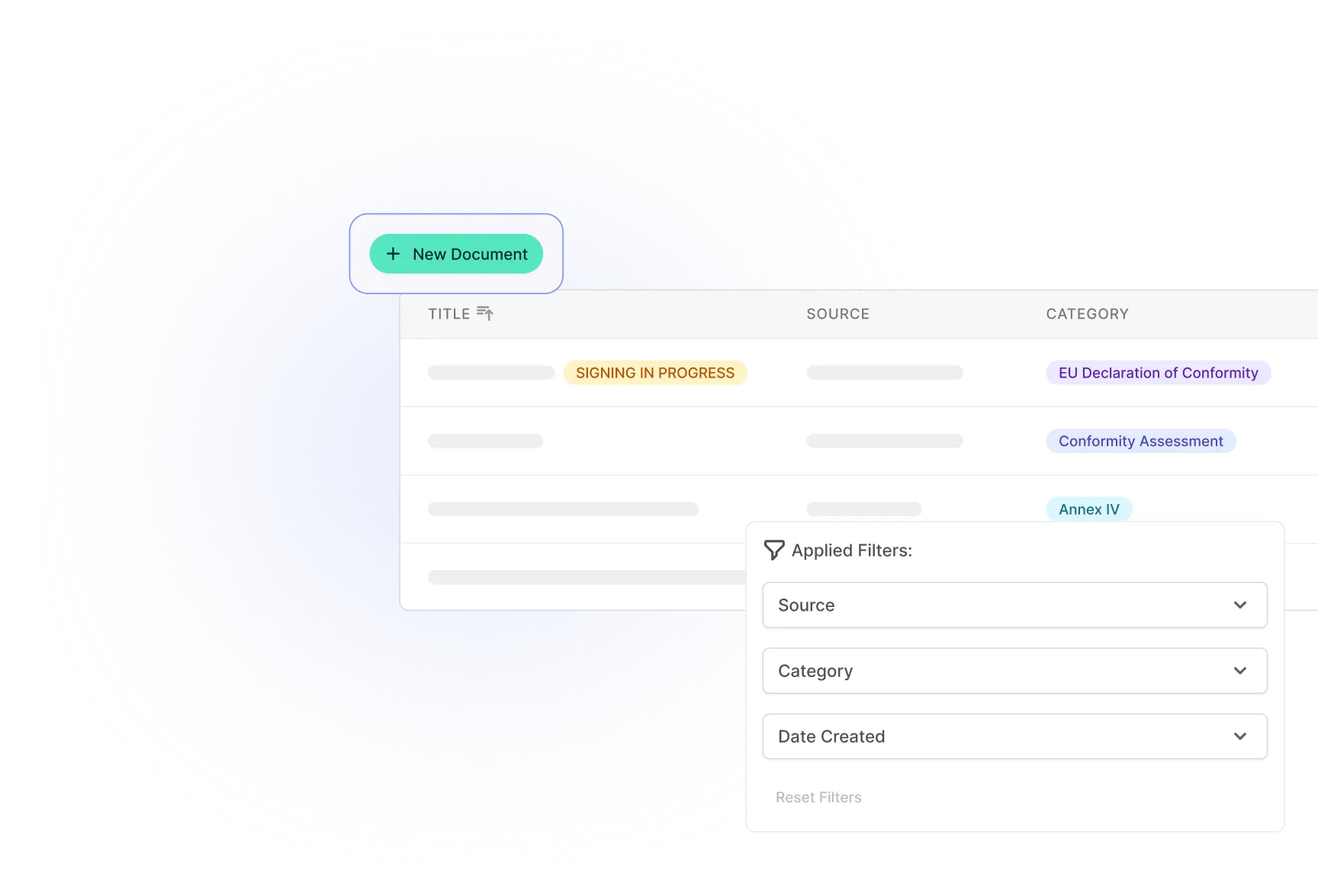
Step 1: Gather Documentation Inputs
Collect all necessary system information, design artifacts, and supporting evidence to prepare for Annex IV technical documentation.
Step 4: Ongoing Monitoring & Updates
Continuously update classifications and inventory entries as models evolve or new AI systems are introduced, ensuring enterprise-wide visibility.
Step 3: Record Linking & Documentation
Connect models to datasets, use cases, and previous assessments, maintaining a fully auditable history of changes.
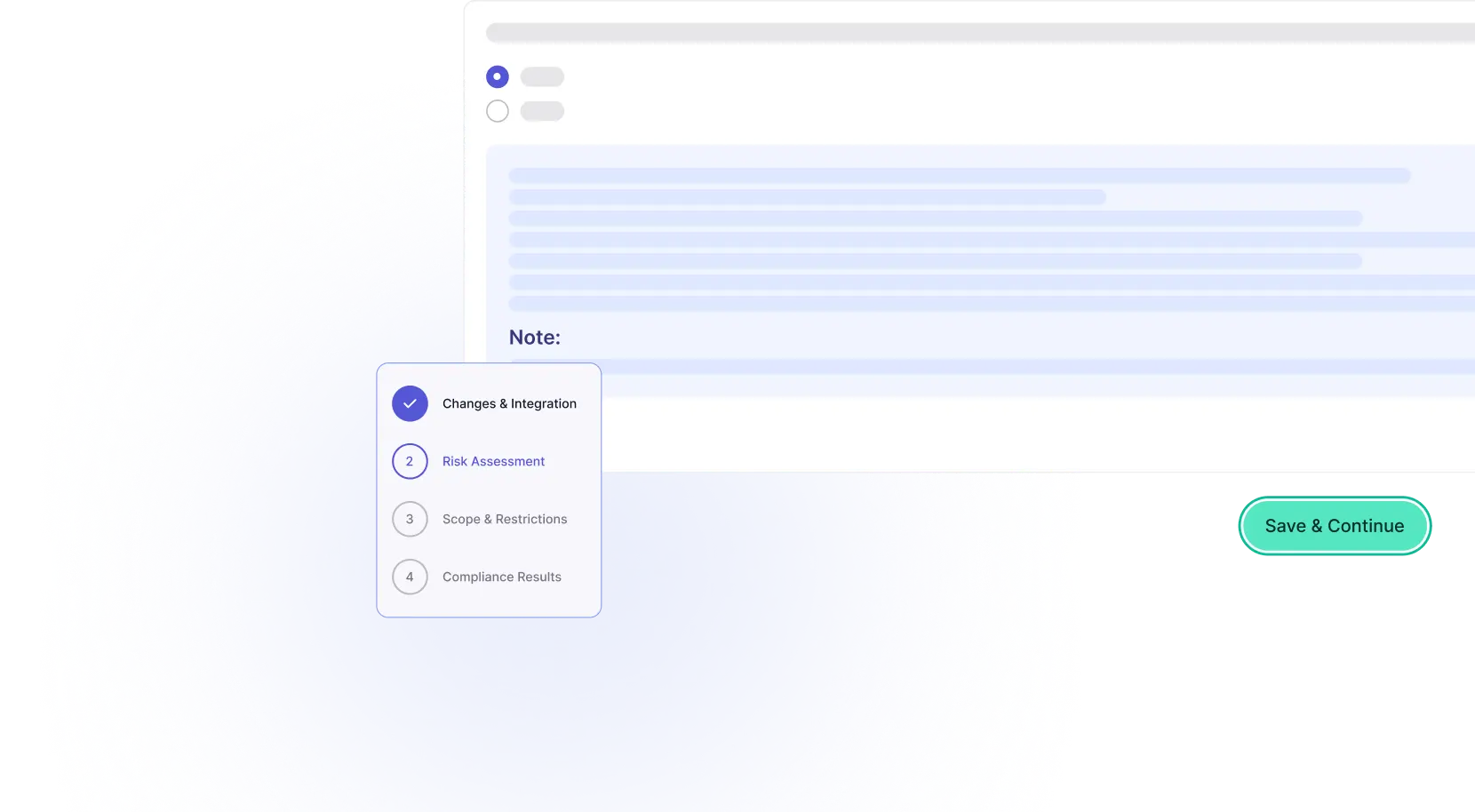
Step 2: Risk Assessment & Classification
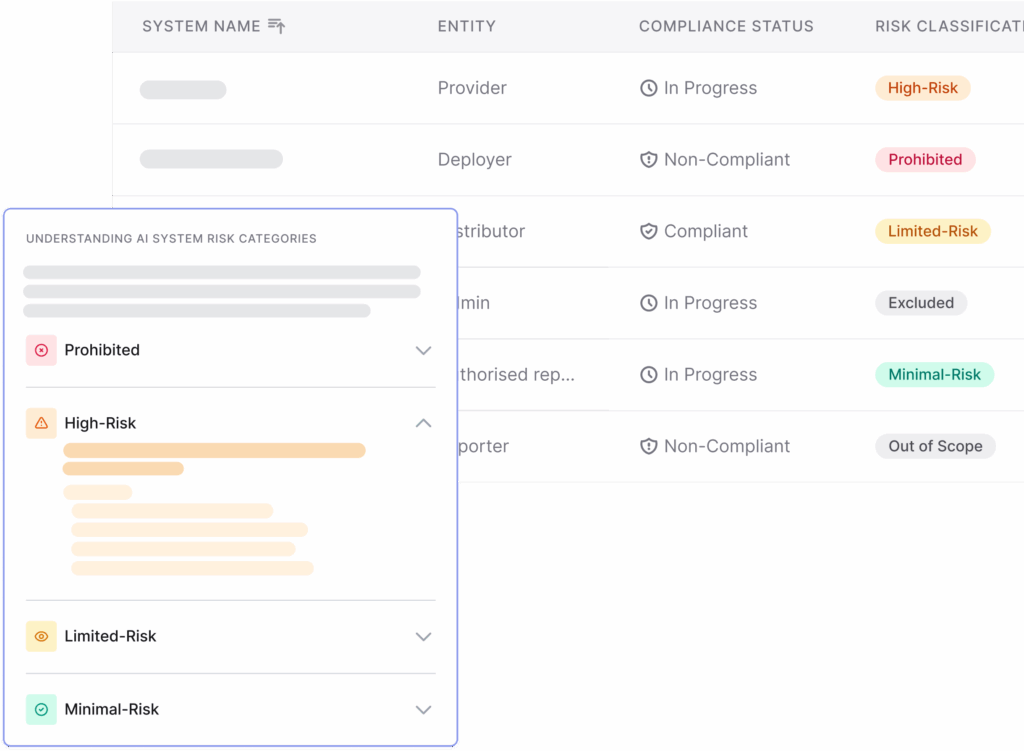
Automatically evaluate each system against EU AI Act criteria and assign the appropriate risk tier among the four of them.
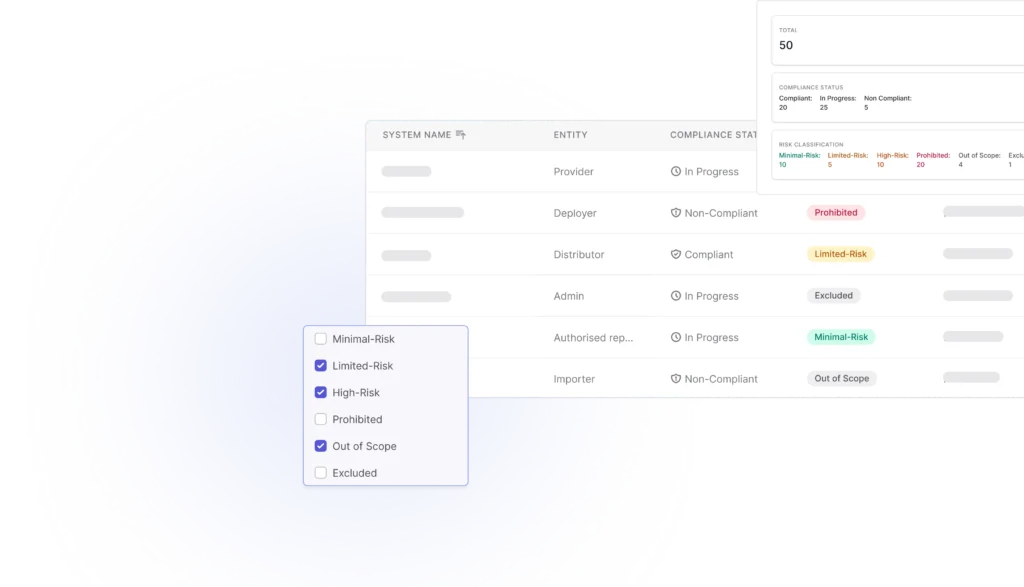
Step 1: System Identification & Registration
Add AI models and datasets into the centralized AI use case inventory with key metadata and ownership details.
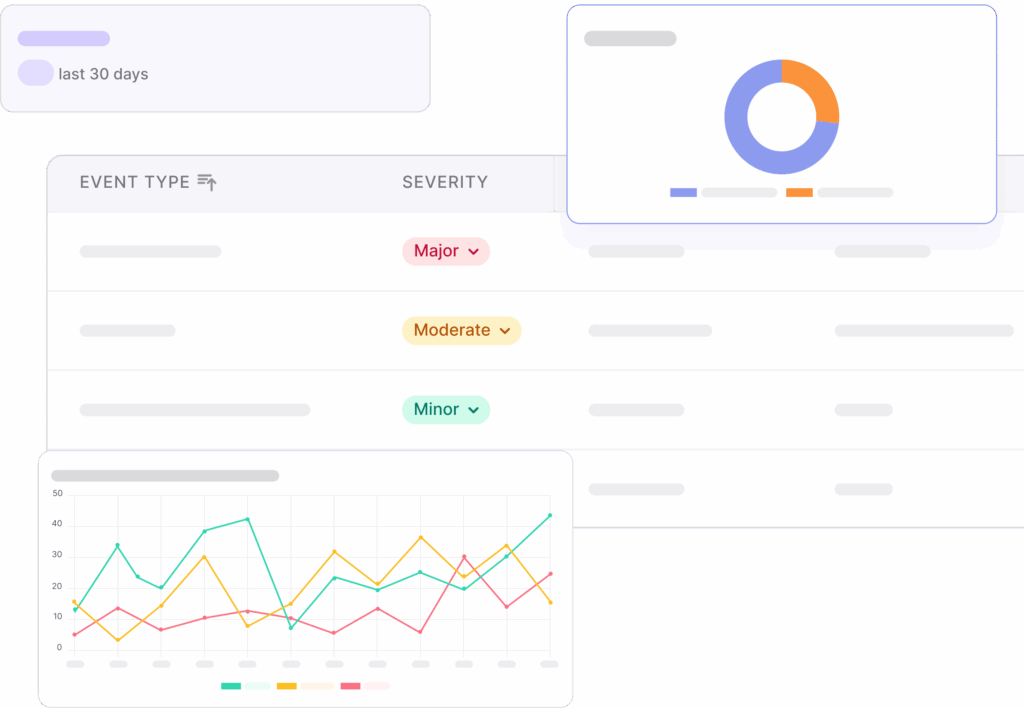
Audit & Continuous Monitoring
Maintain audit integrity with real-time tracking, immutable logs, and compliance dashboards.
CompliAI enables continuous monitoring of every AI system, helping organizations stay compliant as regulations evolve.
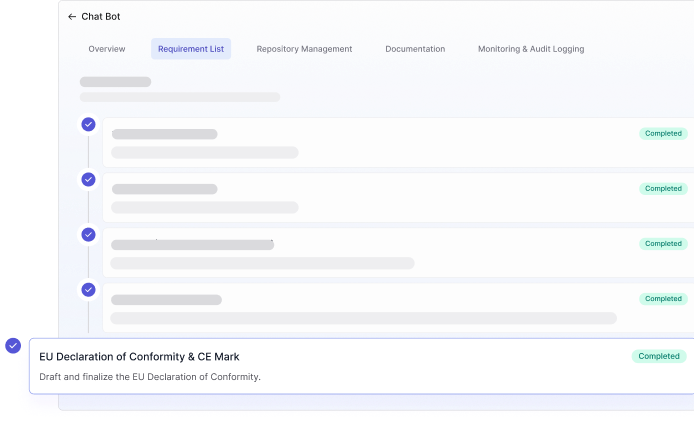
Requirements Workflow & Conformity Management
Simplify your path to CE marking and regulatory conformity.
Follow built-in workflows that outline every requirement, track progress, and generate draft declarations of conformity in line with EU standards.
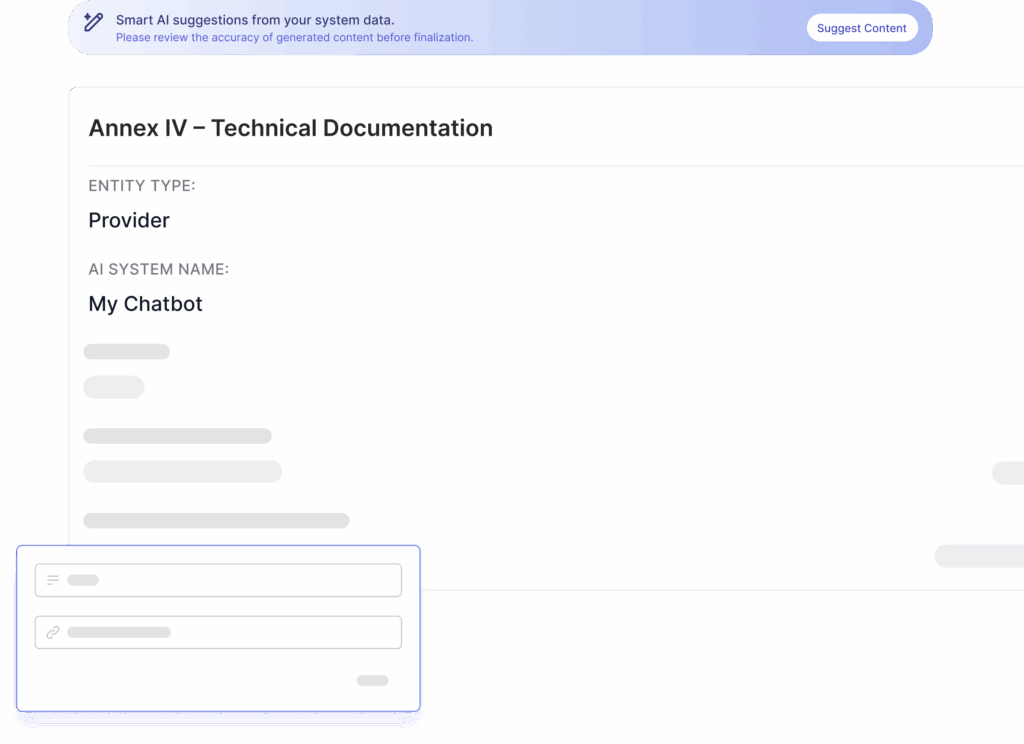
Annex IV Technical Documentation Automation
Automatically generate, organize, and update all required documentation in structured formats.
CompliAI links evidence, datasets, and audit records to build comprehensive technical files, ensuring consistency and audit readiness.
AI System Inventory & Risk Classification
Map every AI system across your organization and determine its regulatory risk level through guided assessments aligned with the EU AI Act.
The platform centralizes system ownership, data, and accountability so that you can have full visibility from day one.